Concerns
Pico Laser in Korea for Melasma
Pico Toning Price in Seoul, Sessions and Before-After
Written by BeautyCoordi Editorial TeamMedically reviewed by  Dr. Park HwonhamDR.BAQUO16 min read
Contents · 11
- 01Pico laser in Korea: does pico toning fit your pigment?
- 02Planning pico toning in Seoul: sessions, days and records
- 03Pico laser Korea before and after
- 04Pico laser Korea price: what decides the cost
- 05How to choose a clinic for melasma treatment in Seoul: a checklist
- 06Pico laser side effects for melasma: white spots, darkening and rebound
- 07Why melasma keeps coming back after pico laser
- 08Melasma treatment beyond the laser: tranexamic acid, creams and sunscreen
- 09Pico toning vs laser toning, PicoSure and PicoPlus
- 10How pico toning fades pigment
- 11FAQ
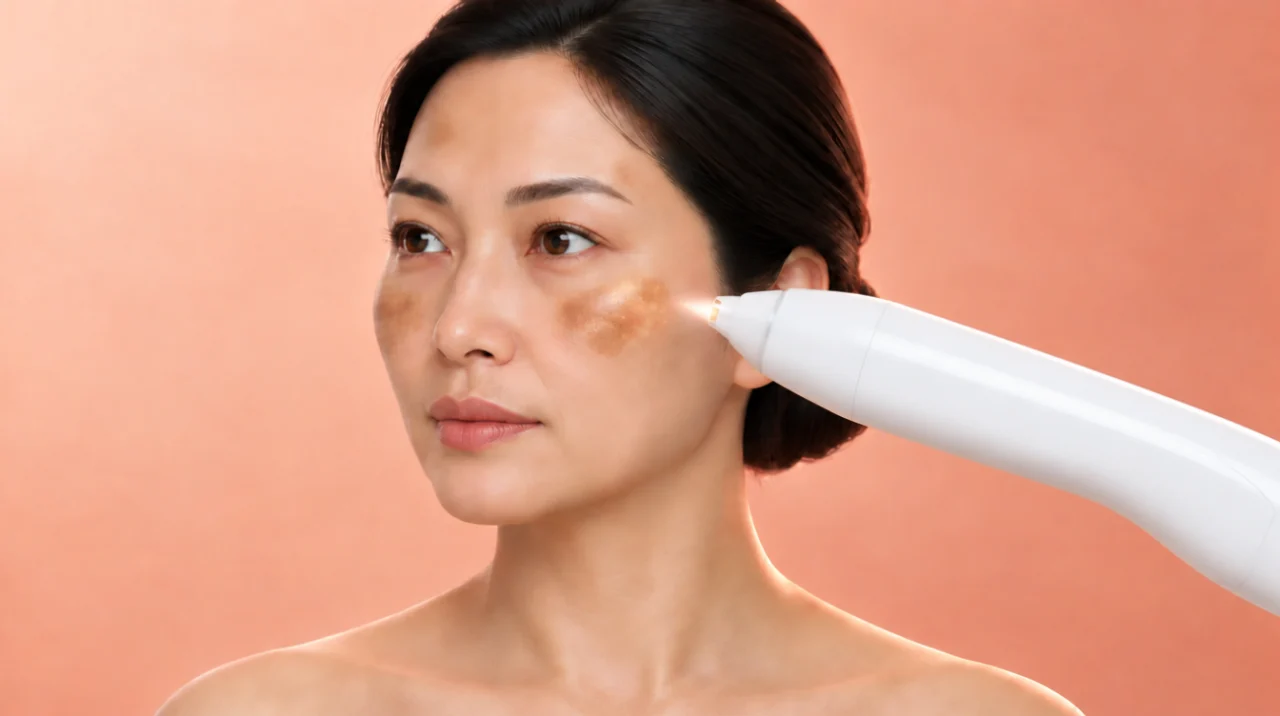
If you are looking at pico laser in Korea for melasma, the first decision is not which clinic or which device — it is whether your pigment is the kind that pico toning suits, and how a course of sessions fits your trips. Pico toning passes a picosecond laser (a trillionth of a second per pulse) evenly over the whole face at low energy, usually over four to five sessions four weeks apart, with most people noticing a change around the second or third session. So one short trip to Seoul usually fits one session, not a finished course. It fades melasma gradually rather than erasing it: melasma often comes back, typical melasma sometimes needs other treatment first, and skin-barrier care has to continue at home.
At a glance
- Does pico toning fit: blurry-edged melasma → repeated low-energy toning plus medicine and sun protection; sharp-edged sun spots and freckles → a spot laser aimed at each mark
- Sessions per trip: studies used four to five sessions, four weeks apart; one trip usually fits one session
- Days to stay: redness for minutes to an hour or two; daily life, makeup and flying are possible from the same day
- Take home: the device and wavelength, the area treated and the date — the next clinic needs these to set energy and interval
- Price: typical Seoul prices for one full-face session were about ₩40,000–150,000 in November 2026 (details below)
- Risks: rare white spots (hypopigmentation), darkening after irritation and rebound; very frequent sessions add up
This guide is for people planning melasma or pigmentation treatment in Korea from abroad: which method fits your pigment first, then how to plan sessions around your trips, before and after, price and how to choose a clinic. Side effects, why melasma comes back and how pico toning works come after.
Pico laser in Korea: does pico toning fit your pigment?
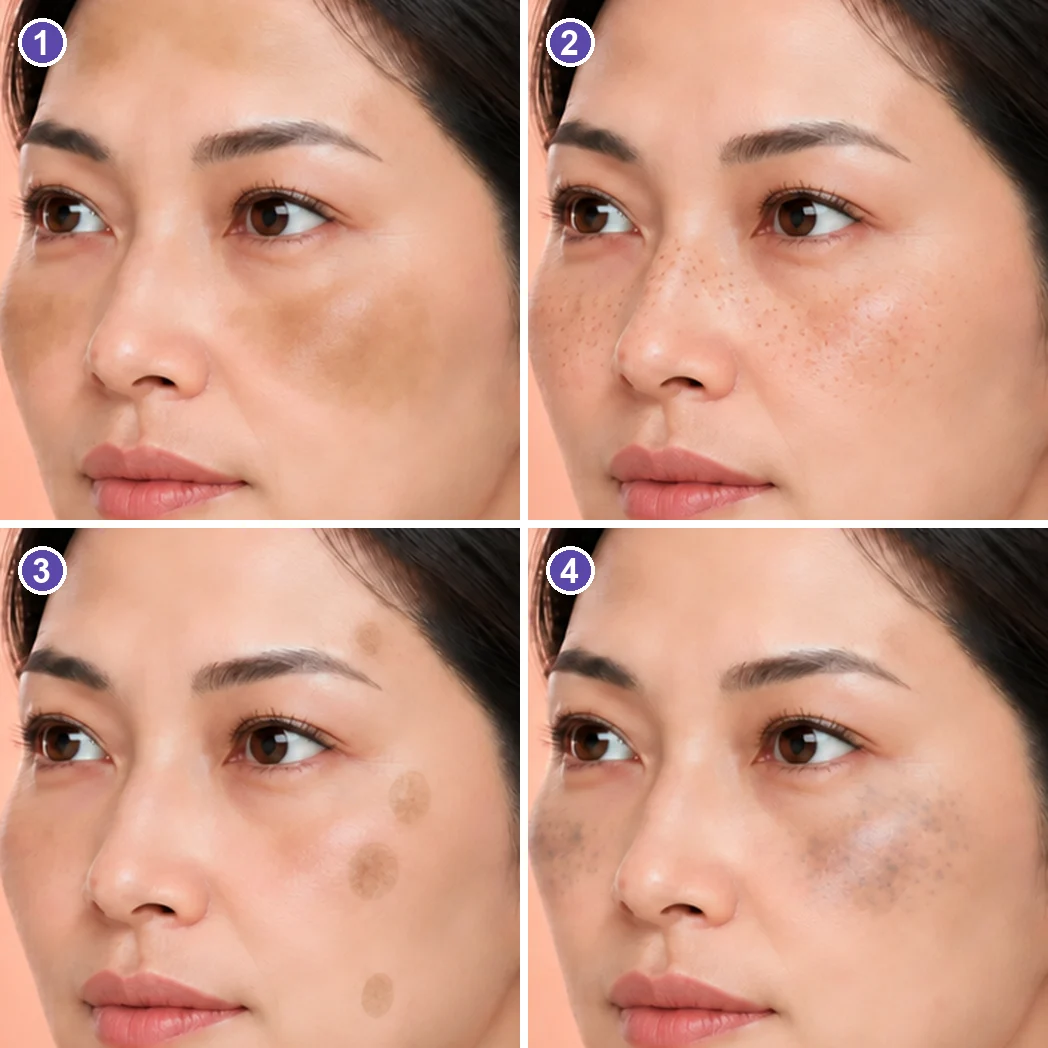
Not every brown mark is melasma, and different pigment responds to different lasers. "Dark spot removal" in Korea can mean any of these:
| Pigment | What it looks like | Common approach |
|---|---|---|
| Melasma | brown patches with blurred edges on both cheeks, cheekbones, forehead | repeated low-energy toning + medicine and sun protection |
| Freckles | small brown dots scattered over the nose and cheeks, darker in summer | a pigment laser aimed at each spot |
| Sun spots (lentigines), age spots | brown spots with fairly clear edges, flat or slightly raised | a pigment laser aimed at each spot |
| Nevus of Ota, ABNOM | bluish or grey-brown spots showing through around the eyes or cheekbones | a laser for deep pigment, months apart |
In reality, most faces have several kinds of pigment mixed together, and the same diagnosis can be treated differently depending on the situation. Rather than focusing on the name, have your pigment examined and decide with the doctor how to combine toning with a spot laser. If you are booking from abroad, clear photos in daylight help the first conversation, but the plan is confirmed in person.
- Spot lasers: in a Korean split-face study of 20 patients with sun spots, the 532 nm picosecond laser faded them more than the Q-switched laser, with less post-inflammatory hyperpigmentation (5% vs 30%).
- Deep pigment: in 56 patients with nevus of Ota, the picosecond laser faded pigment more in fewer sessions (average 5.26 vs 5.87, 12 weeks apart), with less hypopigmentation (21% vs 47%) and hyperpigmentation (26% vs 34%).
- Melasma: pico toning fades it gradually — blemishes fade and tone looks brighter and clearer over the course. Typical melasma sometimes has treatment that comes before toning, with toning used afterwards for maintenance.
The goal and the course differ completely with the type of pigment, so some people are clearly happy with a visible improvement while others are not sure — agree on your goal at the consultation first.
Planning pico toning in Seoul: sessions, days and records
| Phase | Typical plan |
|---|---|
| First course | four to five sessions, four weeks apart |
| When you notice a change | usually around the second or third session, in tone and melasma edges |
| After that | maintenance based on your melasma, the season and how your skin responds |
In practice, the interval and number are set by the pattern and depth of your pigment and your skin's response. The recommended number also differs depending on whether your pigment really needs toning or you want it as maintenance. If your skin is very sensitive, or you expect heavy makeup and irritation during that period, it may be better to wait.
Not sure whether your spots are melasma, or how to plan pico toning sessions around your trips to Seoul? Ask us before you book.
Ask on WhatsApp- Sessions per trip: a four-week rhythm means one trip usually fits one session. Squeezing sessions closer together to fit a short stay is not the answer: cumulative energy builds up and can lead to reactions such as white spots.
- One doctor following your skin: the reviewing doctor's advice is that toning works better when the same experienced doctor follows your skin across sessions, close enough to visit regularly. Before you start, decide with the doctor whether you will continue in Korea on later trips or at a clinic closer to home.
- Days to stay: toning needs almost no downtime — see below. It fits a sightseeing day or the day before a flight.
- What to take home: ask for the device and wavelength used, the areas treated and the dates. The next clinic needs this to set energy and interval rather than starting from scratch.
- Packages: if you buy a multi-session package, check how long it is valid and whether unused sessions can be refunded, since you may only be in Seoul a few times a year.
- Language: at the reviewing doctor's clinic, consultations for foreign patients are explained through an interpreter, so ask what you are unsure about before treatment.
- Where: the reviewing doctor practises in Konkuk (Kondae), Seoul, at a clinic directly connected to exit 1 of Konkuk University station — not in Gangnam.
Pico toning downtime: can you go sightseeing the same day?
Recovery timeline
Right after
Redness and warmth (minutes to an hour or two)
Same day
Normal life and makeup. Sunscreen and moisturiser
A few days
Mild dryness or tightness
Crusts
Usually none after toning alone; possible on spots treated with a spot laser — let them fall off
Toning uses low energy, so it feels like a light snap of a rubber band with some heat, and most sessions are done without numbing cream.
| Reaction | Usually lasts |
|---|---|
| Redness, warmth | a few minutes to an hour or two |
| Mild dryness, tightness | a few days |
| Scabs | none with the commonly used 1064 nm toning laser; possible on spots treated with a spot laser at the same visit |
| Daily life, makeup | from the same day, as long as you avoid anything very irritating to the skin |
Afterwards, sun protection and moisturising matter most — especially when you are out walking the city; reapply sunscreen on long days outdoors. If a scab forms, let it fall off on its own; picking it can leave pigment behind.
Pico laser Korea before and after

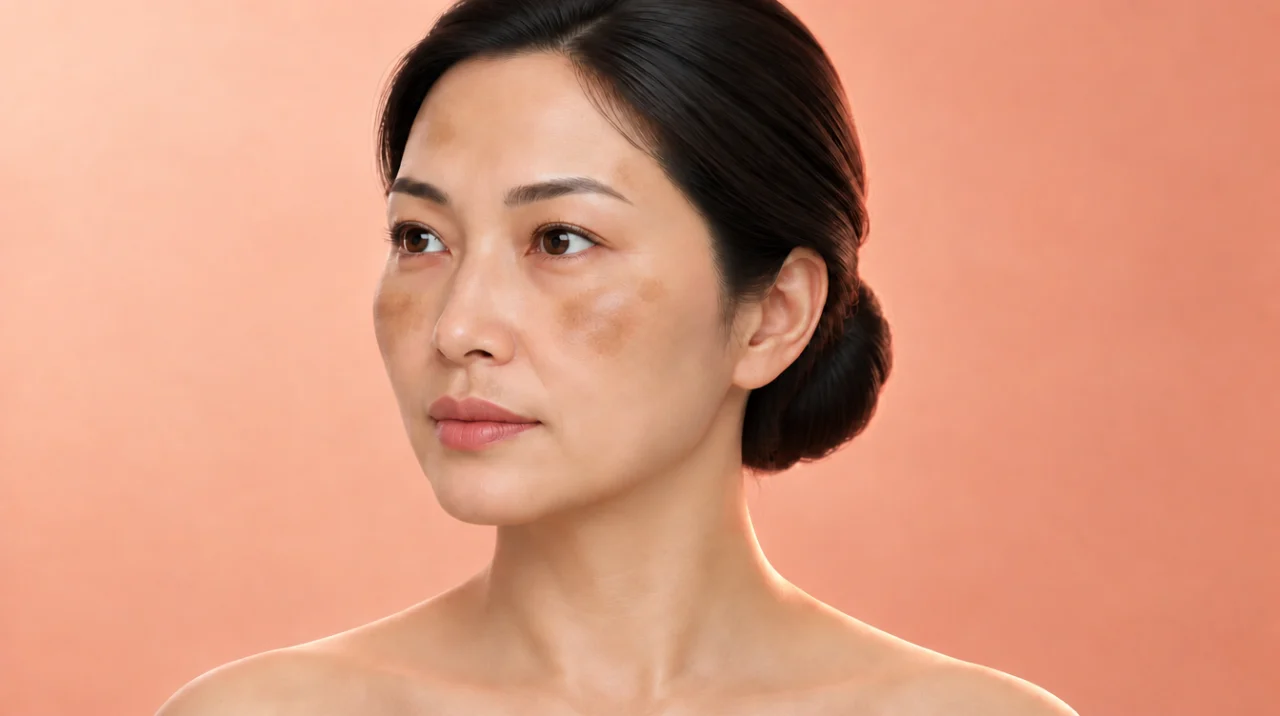 BeforeAfter 4–5 sessions
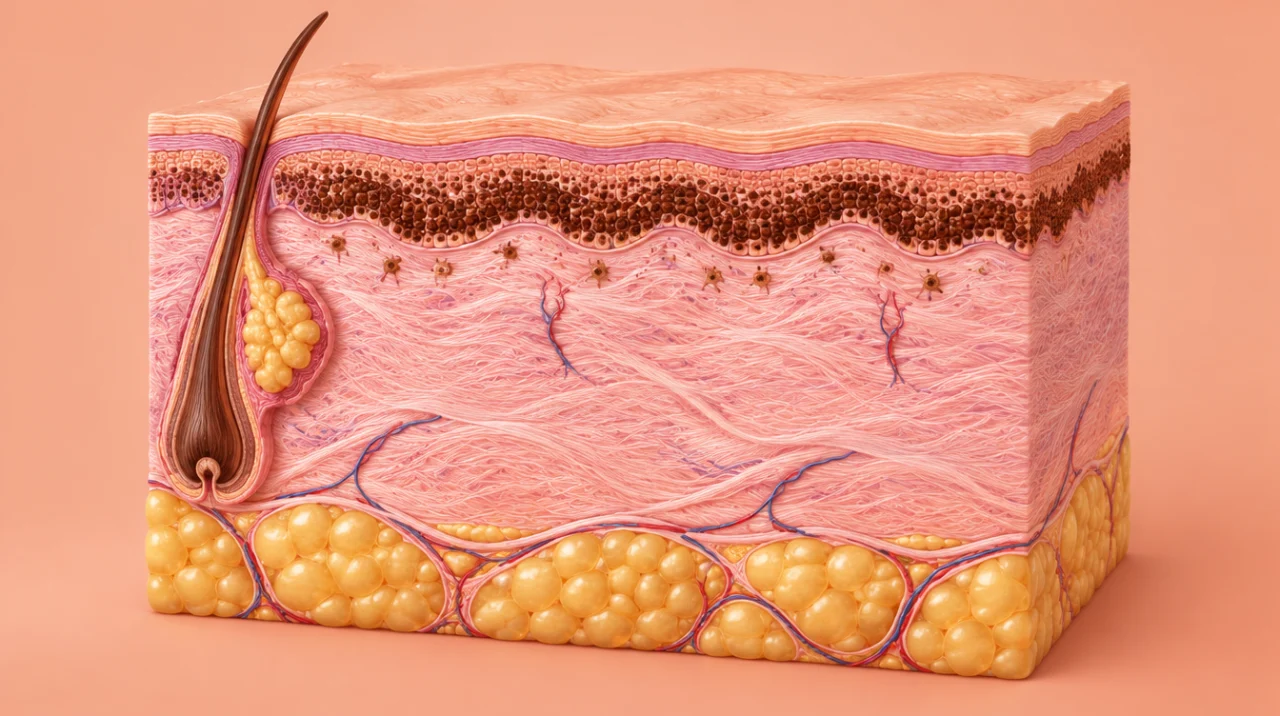 BeforeWeeks later
The comparisons above are 3D illustrations, not patient photos. A real case from the reviewing doctor's clinic is on the clinic's case page:
This is an individual case. Right after a session, the skin may look slightly pink while the melasma looks the same; the change that matters comes over a course of sessions — a more even tone and softer melasma edges. Fading, not erasing, is the realistic goal: traces remain, and sun or hormones can darken melasma again. When you look at before-and-after photos, check how many sessions and how many weeks separate them.
Pico laser Korea price: what decides the cost
Typical prices in Seoul
Pico toning is not covered by Korean health insurance, so there is no official price statistic. The ranges below come from public price lists on Korean price-comparison platforms (Modoodoc, Goodoc, Gangnam Unni) and clinic price pages, checked in November 2026. Package prices are listed by fewer clinics, so that range is wide.
| Usual price | Event price | |
|---|---|---|
| Pico toning, full face, 1 session | about ₩40,000–150,000 (platform averages about ₩40,000–80,000 with Korean-made devices, ₩80,000–110,000 with imported devices such as PicoSure or PicoWay) | first-visit offers from about ₩10,000 |
| Pico toning, 10 sessions | about ₩700,000–970,000+ | about ₩330,000–700,000 |
- What moves the price: the device (Korean-made or imported, picosecond or nanosecond), full face or part, whether spot removal or soothing care is added, and how many sessions are in the package. Clinics in busy areas such as Gangnam and Myeongdong run many events, so posted prices vary widely; first-visit prices are usually limited to one session.
- Check VAT: some prices are listed without the 10% VAT.
- Very cheap prices: compare the device, the area and what is included first; a lower total often means a single area, a different device or a first-visit-only offer.
Example: one clinic's current prices
Kondae PPEUM Clinic (connected to exit 1 of Konkuk University station) listed these pico toning and pigment prices on 13 November 2026, in Korean won:
| Treatment (clinic menu name) | Price (KRW) |
|---|---|
| Pico toning, 1 session | 59,000 |
| Pico toning, 1 session (website trial) | first-visit / event price 9,900 |
| Pico toning, 10 sessions | first-visit / event price 199,000 |
| Pico toning + LED 5 min, 10 sessions | 350,000 |
| Pico toning + Genesis + modelling mask, 5 sessions | 390,000 |
| Spot laser for blemishes | 150,000 |
- Prices exclude anything added on the day. Whether toning, a spot laser or both suit your pigment is decided at the consultation.
- Current events: event prices change often. See the latest pigment and toning events on the clinic's English price page.
Tell us what matters to you — value, location, expertise, a premium experience, language or budget — and we will recommend clinics in Seoul that fit: we collect your request first and match you with several options.
When you compare clinics, put them on the same basis first:
- Which device — picosecond or nanosecond, and the device name
- Full face or specific areas
- Whether spot removal or soothing care is included
- How many sessions are in the package — and the interval and expiry terms (important if you will only be in Seoul now and then)
How to choose a clinic for melasma treatment in Seoul: a checklist
No ranking tells you which clinic suits your pigment. Check these at the consultation instead:
- Examined before treatment: the clinic looks at whether your marks are melasma, sun spots, freckles or a mix before recommending toning.
- More than toning for typical melasma: treatment or medicine that comes before toning is discussed when your melasma needs it.
- Energy and interval adjusted: the clinic explains that energy and spacing follow your skin's response, because very frequent sessions and short intervals can cause white spots.
- A plan across trips: you know how many sessions, at what interval, and how to continue after you fly home.
- Clear explanation: consultations are explained through an interpreter, so your goal and the risks are agreed before treatment.
Pico laser side effects for melasma: white spots, darkening and rebound
The common reactions are redness and warmth right after, which usually settle within a few hours. A few rarer reactions are worth knowing:
| Reaction | What it looks like | What studies report |
|---|---|---|
| Hypopigmentation (white spots) | mottled, lighter patches | with laser toning, linked to higher cumulative energy; 0.38% of 796 picosecond laser patients |
| Post-inflammatory hyperpigmentation | brown darkens after irritation | can follow aggressive treatment; more common in darker skin |
| Rebound | faded melasma darkens again | reported within months after treatment |
- White spots: a review of 42 studies on low-fluence Q-switched laser toning found it generally effective and safe, but long-lasting mottled white spots were reported, linked to higher cumulative energy. In a review of 796 patients treated for melasma with picosecond lasers, white spots were rare at 0.38%, but they appeared even with low energy and 4–12 week intervals, and colour barely returned over six months. They happen when pigment cells are destroyed or become less active, so once they appear they are not easy to improve — which is why very frequent treatment and short intervals should be avoided.
- Darkening after irritation: post-inflammatory hyperpigmentation mostly improves if you follow the aftercare.
- Rebound: in a randomised study of 30 patients given low-fluence 1064 nm picosecond laser five times, four weeks apart, the melasma score (MASI) was lower than at the start at one, three and six months, with no serious adverse events — but at six months melasma had darkened again in 6 of 30 patients on the standard pico toning side.
No treatment is side-effect free. If you see white patches or your melasma getting darker — even after you are home — tell the clinic that treated you right away and discuss whether to pause the next session. Adjusting energy and interval to your skin is easiest at one clinic that follows your progress consistently.
Tell the clinic first if you are pregnant or breastfeeding, have inflammation, acne or dermatitis flaring in the area, are recently sunburned or tanned, have had pigment darken after a laser before, or take medicine that can cause sun sensitivity — the plan or whether to treat may change.
Why melasma keeps coming back after pico laser
Melasma does not have a single cause. Several factors stack up on skin that is prone to it:
| Factor | Examples |
|---|---|
| UV and light | sunlight, light through windows |
| Hormones | pregnancy, birth control pills, changes in female hormones |
| Irritation, inflammation | contact dermatitis, harsh treatments, frequent rubbing |
| Genetics | melasma in the family |
That is why melasma is classed as a long-lasting chronic condition that often comes back. There is currently no treatment that removes it for good; care centres on controlling and preventing it by combining sun protection, topical and oral medicine, and procedures. Above all, daily habits that protect the skin barrier and reduce irritation have to be the foundation: scrubbing hard when washing, frequent exfoliation and irritating cosmetics keep the skin reactive, and melasma can come back or get worse even after treatment.
Melasma treatment beyond the laser: tranexamic acid, creams and sunscreen
There is no easy fix for melasma. Sun protection blocks what darkens it; melasma that has already formed is better treated after an examination, combining several methods to suit your condition.
| Method | Role | Good to know |
|---|---|---|
| Sunscreen | blocks the biggest cause of darkening | apply every day and reapply when outdoors for long |
| Oral tranexamic acid | reduces the signals that make pigment | used for a short period of about three to six months when actively treating severe melasma in people without underlying conditions; tell the doctor about any history of blood clots, birth control pills or smoking |
| Lightening ointments, topical medicine | reduce pigment production in studies | in melasma patients they often irritate the skin and make it worse, so many doctors do not recommend them; if used, only as prescribed after an examination |
- Tranexamic acid: in a meta-analysis of 22 randomised studies (1,280 patients), it reduced the melasma score in oral, topical and injected forms, with the largest reduction for oral. Reported adverse effects included stomach upset, skin irritation and menstrual irregularity. A meta-analysis of nine studies combining laser with topical tranexamic acid also found the combination reduced the melasma score.
- Laser alone: a 2026 meta-analysis of five randomised studies on the 755 nm picosecond laser found greater improvement in melasma score with triple-combination lightening cream, and more post-inflammatory hyperpigmentation with the laser than with the cream. The evidence was low-certainty, but it shows why treatment should be combined to fit your melasma rather than relying on a laser alone. Unlike those study results, in real practice topical ointments often make melasma worse, so which method to use is safest decided at an examination.
Already using a cream or medicine for melasma? Ask us how it would fit with pico toning before your trip.
Ask on WhatsAppPico toning vs laser toning, PicoSure and PicoPlus
The names are confusing, but they sort easily into laser type, device name and how it is applied:
| Name | What it is | Notes |
|---|---|---|
| Pico laser | any laser that fires in picoseconds | used both for low-energy whole-face toning and aimed at individual spots |
| Pico toning | toning with a picosecond laser | very short pulses break pigment finer |
| Laser toning | toning with a nanosecond Q-switched laser | the long-established method, with plenty of research |
| PicoSure | a picosecond laser device | known mainly for the 755 nm wavelength |
| PicoPlus | a picosecond laser device | uses several wavelengths, including 1064 nm and 532 nm |
Even among picosecond lasers, wavelength, energy and how it is applied decide which pigment it suits. There are so many devices, and how a device is used matters far more than the device itself, so results depend more on settings matched to your pigment and the doctor's adjustments than on the brand name.
How pico toning fades pigment
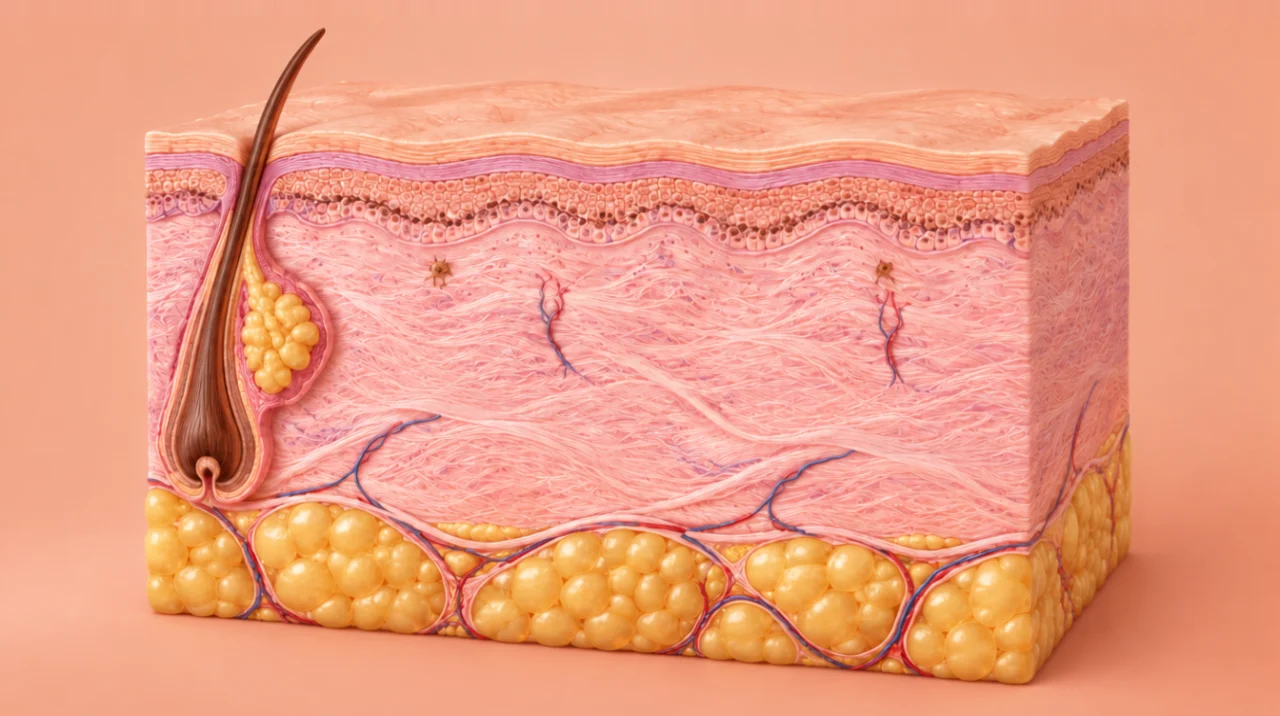
- Targeting: laser light is absorbed by melanin pigment in the skin. Toning passes over the whole face several times at low energy, working on pigment gradually while limiting irritation to the surrounding skin.
- Breaking it finer: a picosecond laser fires far shorter pulses than a conventional Q-switched laser (nanoseconds, a billionth of a second). It is explained that this breaks pigment into finer particles with pressure before heat spreads, sending less heat to the surrounding tissue.
- Clearing: the fragments are pushed out through the skin or cleared by the body over several weeks. That is why the change builds up session by session.
| Pico toning | Laser toning | |
|---|---|---|
| Laser | picosecond laser | nanosecond Q-switched laser |
| Pulse length | trillionths of a second | billionths of a second |
| How pigment is broken | mainly pressure rather than heat | heat and pressure |
In a split-face study of 12 Asian patients with melasma (four sessions one month apart), the 755 nm picosecond laser side faded faster than the 1064 nm Q-switched side from the second session, and had faded more at three months. It was a small study, though.
FAQ
How much is pico toning in Korea?
In November 2026, typical Seoul prices for one full-face pico toning session were about ₩40,000–150,000, with first-visit offers from about ₩10,000, and 10-session packages about ₩700,000–970,000 (events about ₩330,000–700,000). One clinic's current prices are in the price section above.
Can I finish pico toning for melasma in one trip to Korea?
Usually not. Studies used four to five sessions four weeks apart, so one trip usually fits one session. Squeezing sessions closer together adds up energy and can lead to white spots, so plan later sessions on another trip or closer to home.
Can I wear makeup and fly right after pico laser?
Toning is a light, maintenance-level laser, so daily life is possible from the same day as long as you avoid anything very irritating to the skin. Once the redness settles, use gentle products, and keep up sunscreen and moisturiser.
Is there an English-speaking clinic in Seoul for melasma treatment?
At the reviewing doctor's clinic, consultations for foreign patients are explained through an interpreter. It is in Konkuk, directly connected to exit 1 of Konkuk University station. Tell us what matters to you and we can match you with several clinics in Seoul.
Does pico laser get rid of melasma for good?
No. Melasma is a chronic condition that often comes back, and there is currently no treatment that removes it for good. In a study of 30 patients treated five times, four weeks apart, melasma had darkened again in 6 of 30 on the standard pico toning side at six months. Sun protection and skin-barrier care need to continue after the course.
Why do some people see little change after pico laser?
Because the goal and course are completely different depending on the type and pattern of pigment. Pigment that suits toning can change a lot, but if other treatment is needed first, as with typical melasma, or daily habits do not change, the difference is hard to notice. Agree on your goal at the consultation first.
Are there long-term side effects of pico laser for melasma?
Most reactions, such as redness, settle within hours. The one to know about long term is white spots (hypopigmentation): rare (0.38% of 796 patients in one review), but once they appear they are not easy to improve. They are linked to higher cumulative energy, which is why very frequent sessions and short intervals should be avoided.
Can I have it while pregnant or breastfeeding?
During pregnancy hormones make melasma darken easily, and oral medicine and some ointments may not be usable. If you are pregnant or breastfeeding, tell the clinic at the consultation first.
Sources
- Espósito ACC et al. Update on Melasma — Part I. Pathogenesis. Dermatol Ther (Heidelb), 2022
- Cassiano DP et al. Update on Melasma — Part II. Treatment. Dermatol Ther (Heidelb), 2022
- Lee MC et al. A split-face study — comparison of picosecond alexandrite laser and Q-switched Nd:YAG laser in the treatment of melasma in Asians. Lasers Med Sci, 2018
- Wu X et al. Efficacy and safety of low-fluence 1064 nm picosecond laser with/without micro-lens arrays for melasma treatment — a randomized, split-face controlled study. Lasers Med Sci, 2025
- Lee YS et al. The Low-Fluence Q-Switched Nd:YAG Laser Treatment for Melasma — A Systematic Review. Medicina (Kaunas), 2022
Show 7 more sources
- Hang X, Lim DS. Hypopigmentation Following Picosecond Laser Treatment for Melasma — A Case Series. Lasers Surg Med, 2025
- Chua KR et al. Assessing the Safety and Efficacy of Picosecond Alexandrite Lasers in the Management of Melasma — A Systematic Review and Meta-Analysis of Randomised Control Trials. Australas J Dermatol, 2026
- Calacattawi R et al. Tranexamic acid as a therapeutic option for melasma management — meta-analysis and systematic review of randomized controlled trials. J Dermatolog Treat, 2024
- Khan QA et al. Effectiveness of laser and topical tranexamic acid combination therapy in melasma — an updated systematic review and meta-analysis of randomized controlled trials. Lasers Med Sci, 2023
- Kim JY et al. A Split-Face, Single-Blinded, Randomized Controlled Comparison of 532 nm Picosecond Nd:YAG Laser versus 532 nm Q-Switched Nd:YAG Laser in the Treatment of Solar Lentigines. Ann Dermatol, 2020
- Ge Y et al. Comparison of a picosecond alexandrite laser versus a Q-switched alexandrite laser for the treatment of nevus of Ota — a randomized, split-lesion, controlled trial. J Am Acad Dermatol, 2020
- Ridha Z et al. Laser and Light-Based Therapies for Treating Melasma — An In-Depth Review. Dermatol Surg, 2026
Dr. Park HwonhamDR.BAQUOPPEUM Clinic Konkuk Univ.Contents · 11
- 01Pico laser in Korea: does pico toning fit your pigment?
- 02Planning pico toning in Seoul: sessions, days and records
- 03Pico laser Korea before and after
- 04Pico laser Korea price: what decides the cost
- 05How to choose a clinic for melasma treatment in Seoul: a checklist
- 06Pico laser side effects for melasma: white spots, darkening and rebound
- 07Why melasma keeps coming back after pico laser
- 08Melasma treatment beyond the laser: tranexamic acid, creams and sunscreen
- 09Pico toning vs laser toning, PicoSure and PicoPlus
- 10How pico toning fades pigment
- 11FAQ
More in this section


This page is general information, not medical advice. Decide on any treatment after consulting a medical professional.