Treatments
Juvelook
Juvelook Volume, Before and After & vs Rejuran
Written by BeautyCoordi Editorial TeamMedically reviewed by  Dr. Park HwonhamDR.BAQUO4 min read
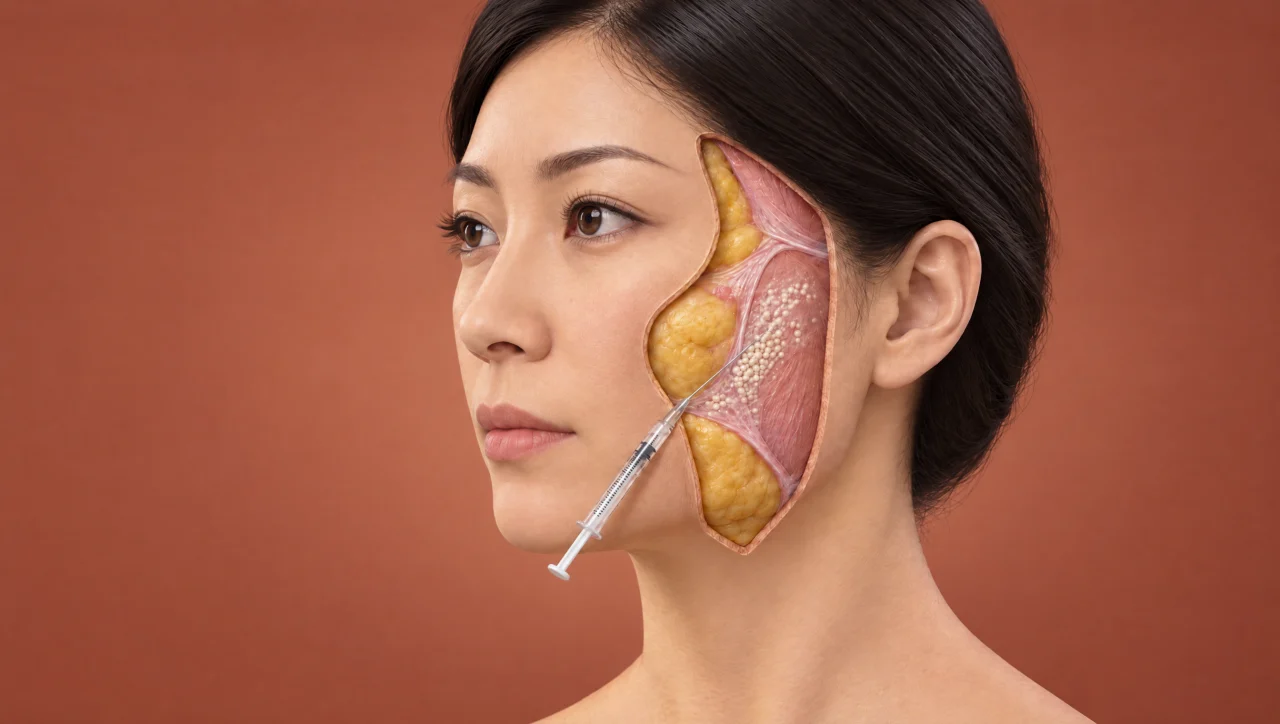
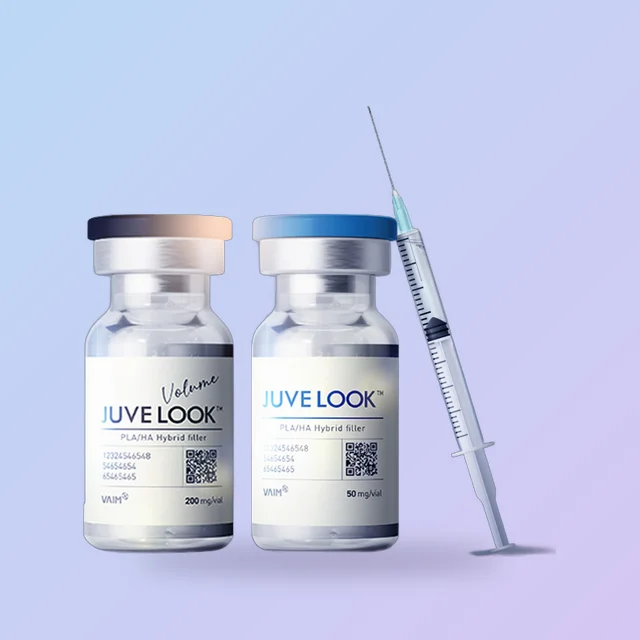
Juvelook is a Korean skin booster that places tiny PDLLA microspheres, together with hyaluronic acid, into the skin so that your own collagen slowly builds up around them. It is not a filler that adds volume on the spot: results appear gradually over weeks to months, and because the collagen is your own, they tend to last relatively long.
Juvelook at a glance
- Best for: thinning skin and lost firmness, fine lines, enlarged pores, shallow acne scars; Juvelook Volume for gradual soft volume
- Sessions: usually about 3, roughly 4 weeks apart
- When you see it: gradually, over weeks to months
- Not for: filling a deep hollow in one go; Dr. Park's clinic does not inject close to the under-eye area
How does Juvelook work?
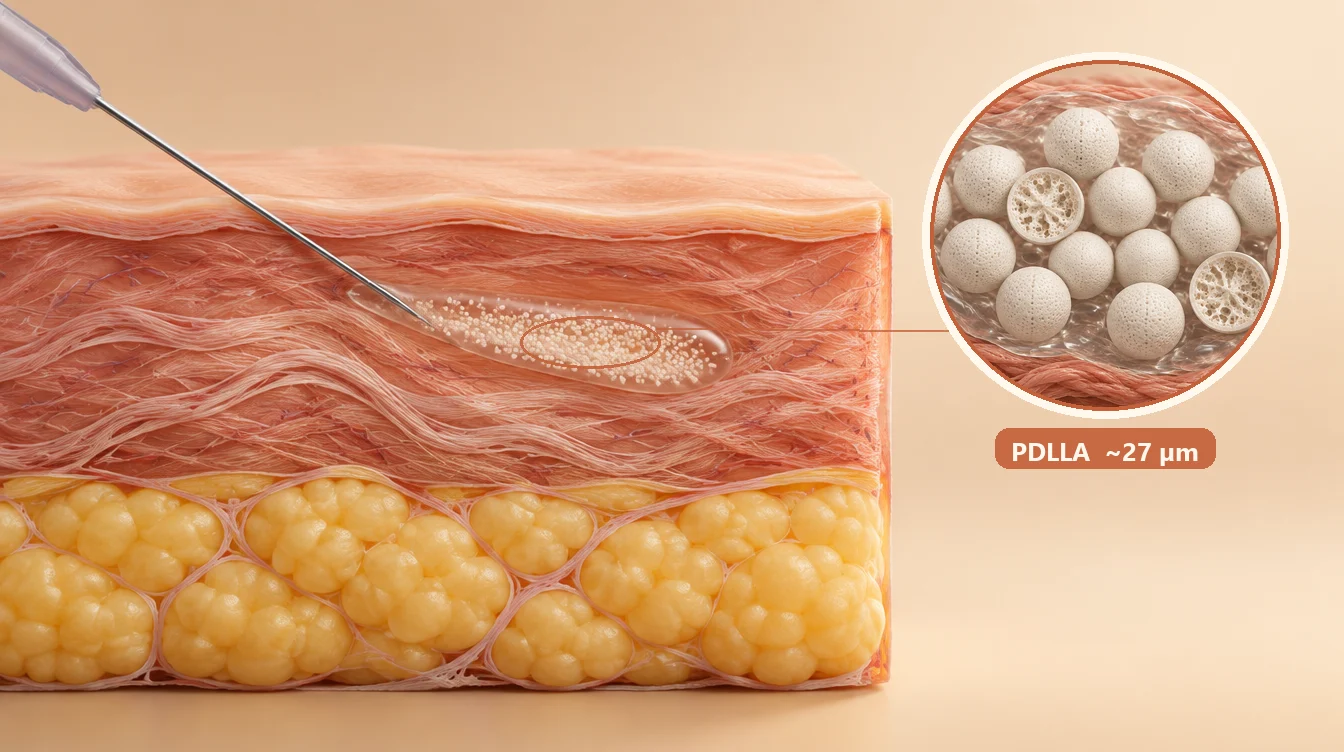
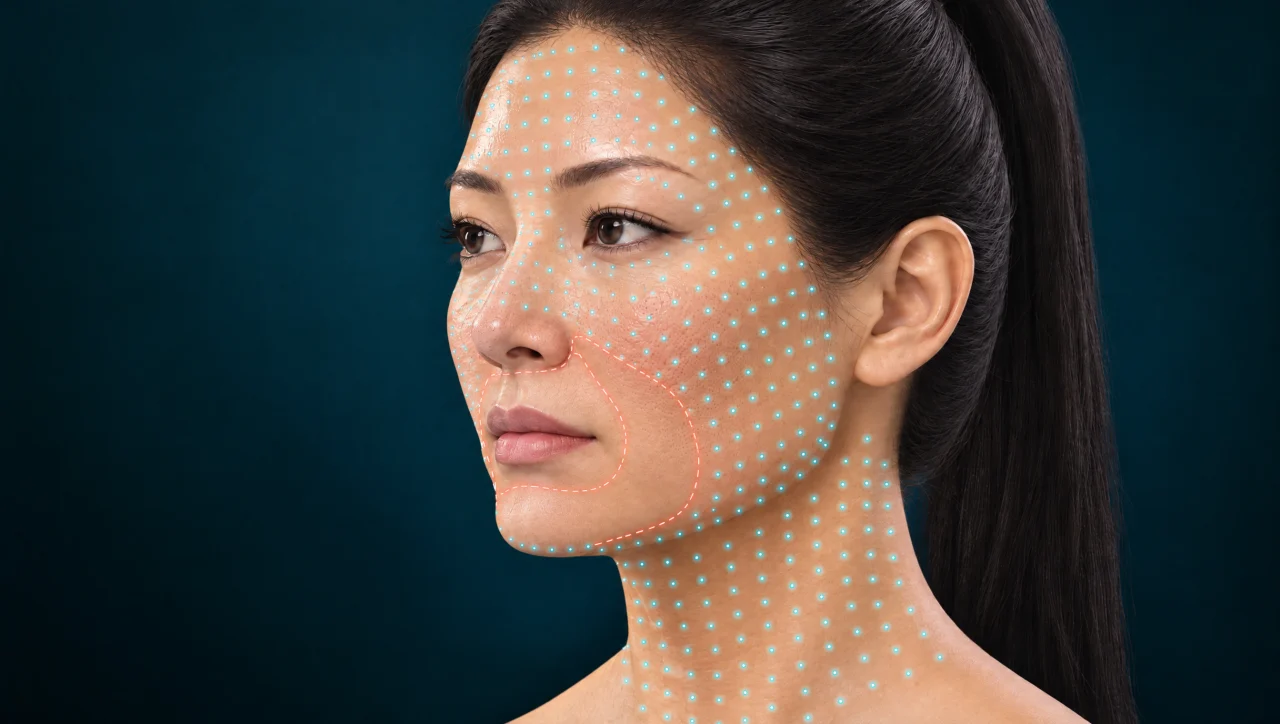
- Injection: PDLLA microspheres and hyaluronic acid go into the dermis, or into the fat layer for volume. The gel adds early hydration and helps the particles spread evenly.
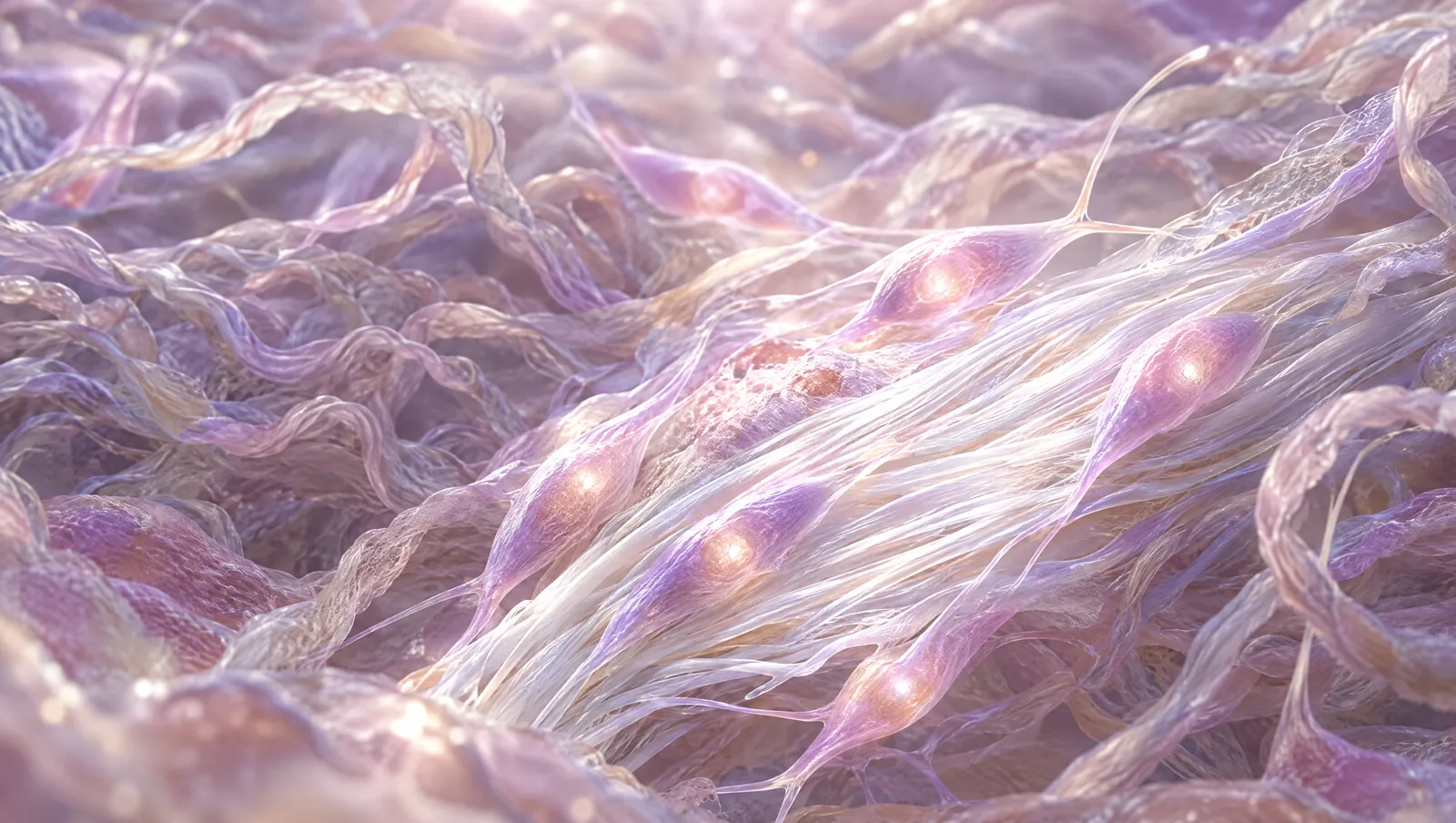
- Stimulation: as the body slowly breaks the particles down, fibroblasts around them switch on.
- Rebuilding: new collagen and elastic fibres fill in, so the dermis becomes denser and texture and firmness improve.
The particles do not dissolve all at once. They break down slowly from the inside over months while collagen takes their place, which is why changes are gradual and relatively long-lasting. In a Korean study, biopsies after 2–3 sessions showed more dermal collagen and elastic fibres, and fine wrinkles, texture, pigmentation and redness improved. The studies are small, so larger trials are still needed.
Juvelook vs Juvelook Volume
| Juvelook (Skin) | Juvelook Volume | |
|---|---|---|
| Main goal | texture, fine lines, pores, shallow scars | gradually restoring lost volume |
| PDLLA content | standard | higher |
| Depth | dermis | deep dermis to fat layer |
| How it changes | the skin itself gets denser | hollow areas slowly fill out |
How many sessions, and when will I see results?
| Phase | Typical plan |
|---|---|
| First course | about 3 sessions, roughly 4 weeks apart |
| When you notice it | gradually, over weeks to months |
| Final check | a few months after the last session |
| Maintenance | planned by skin condition |
Some skin looks dewy right away thanks to the hyaluronic acid, but the real change follows collagen, which takes weeks to months.
Not sure whether Juvelook or Juvelook Volume fits your concern? Ask us before you book your trip.
Ask on WhatsAppAcne scars and pores: before and after
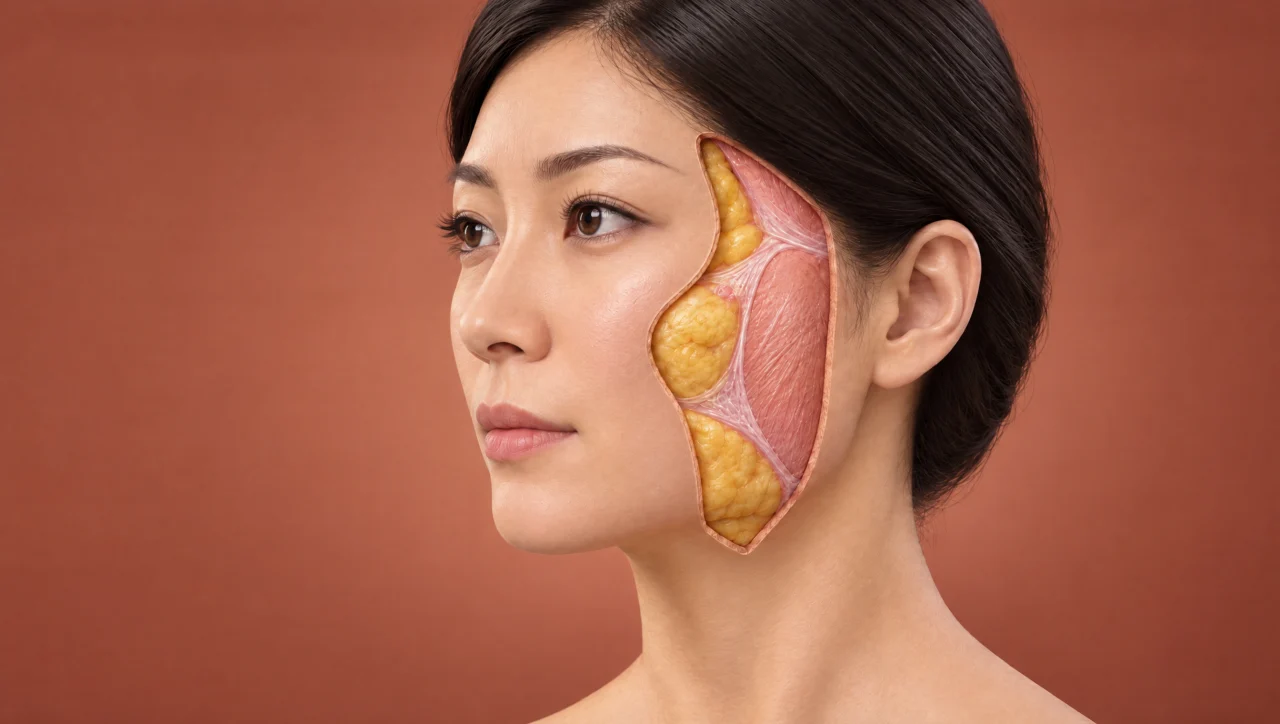
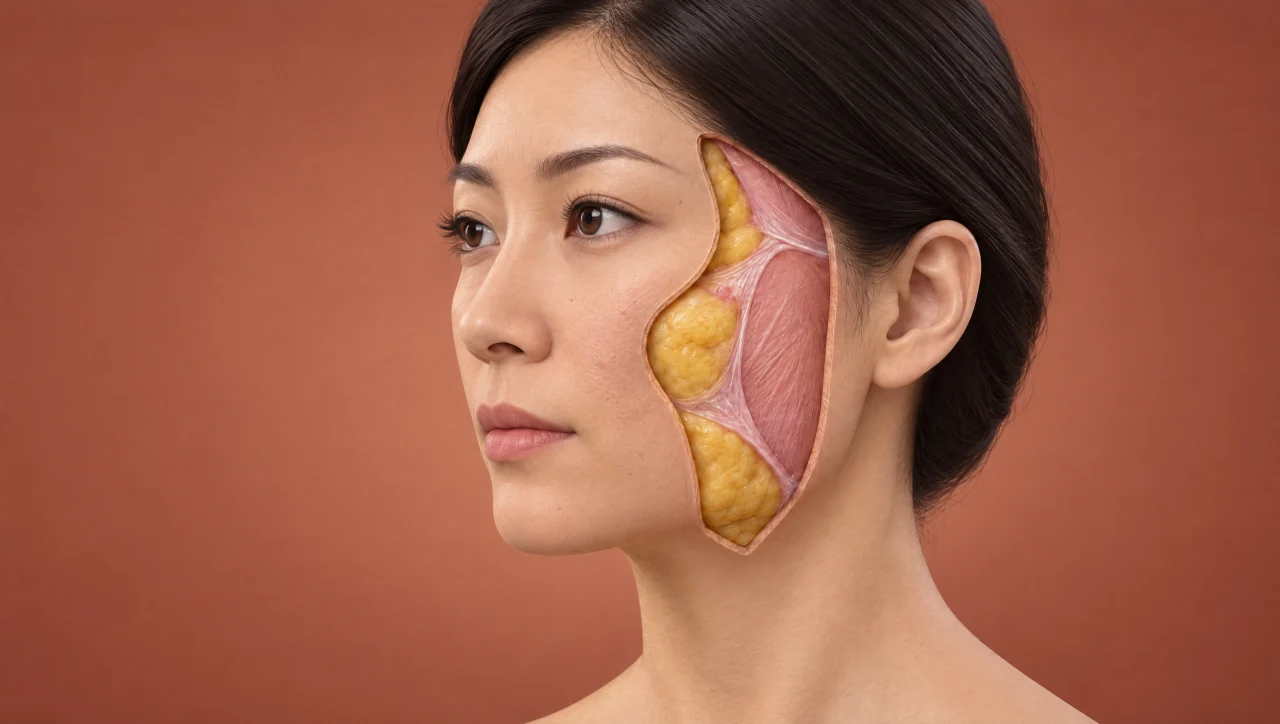 BeforeMonths later
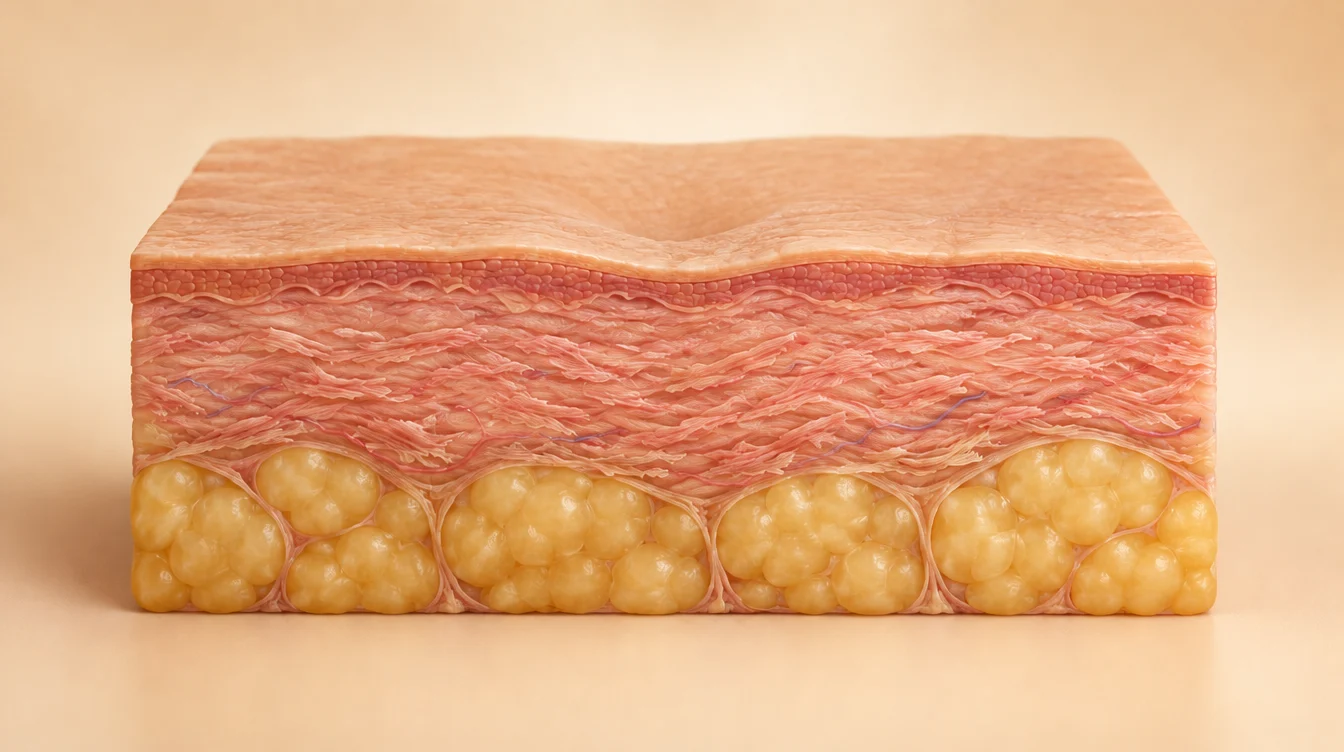
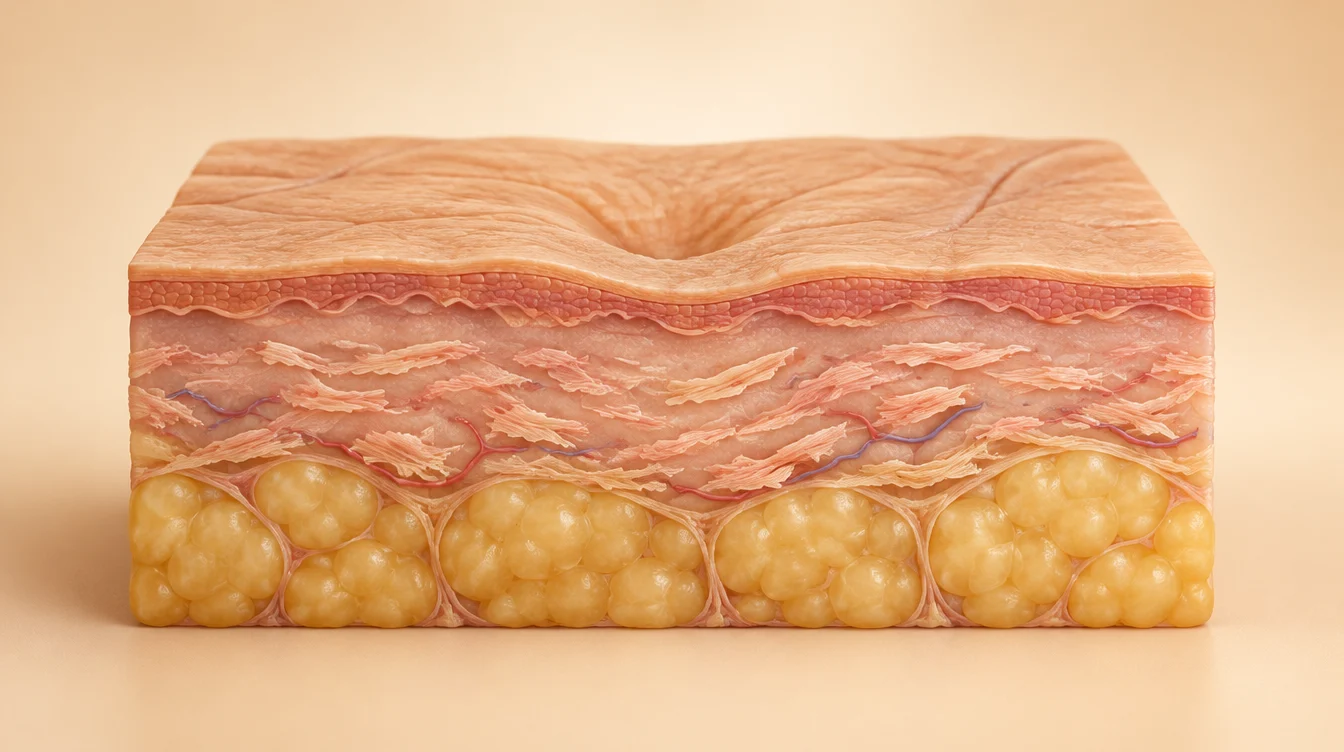 BeforeA few months after the first course
As collagen fills in, shallow depressed scars and enlarged pores can gradually look less noticeable. Deep, firm scars have limits with Juvelook alone and are often planned together with other treatments.
Side effects: nodules and the under-eye area
| Reaction | Usually lasts |
|---|---|
| Small raised bumps and swelling | a few days |
| Bruising | 1–2 weeks, if it happens |
The under-eye area comes up often in searches. Because the skin there is thin and nodules are more likely to be felt, Dr. Park's clinic does not inject close to it. If hollowness under the eyes is your main concern, discuss other options.
Very rarely, product entering a blood vessel can cause blood-flow problems. Every treatment carries some risk, so tell the clinic straight away if pain increases or the skin changes colour.
Tell the clinic first if you are pregnant or breastfeeding, have inflammation or a skin condition in the area, have had fillers or other skin boosters before, or tend to form keloids.
Does it hurt?
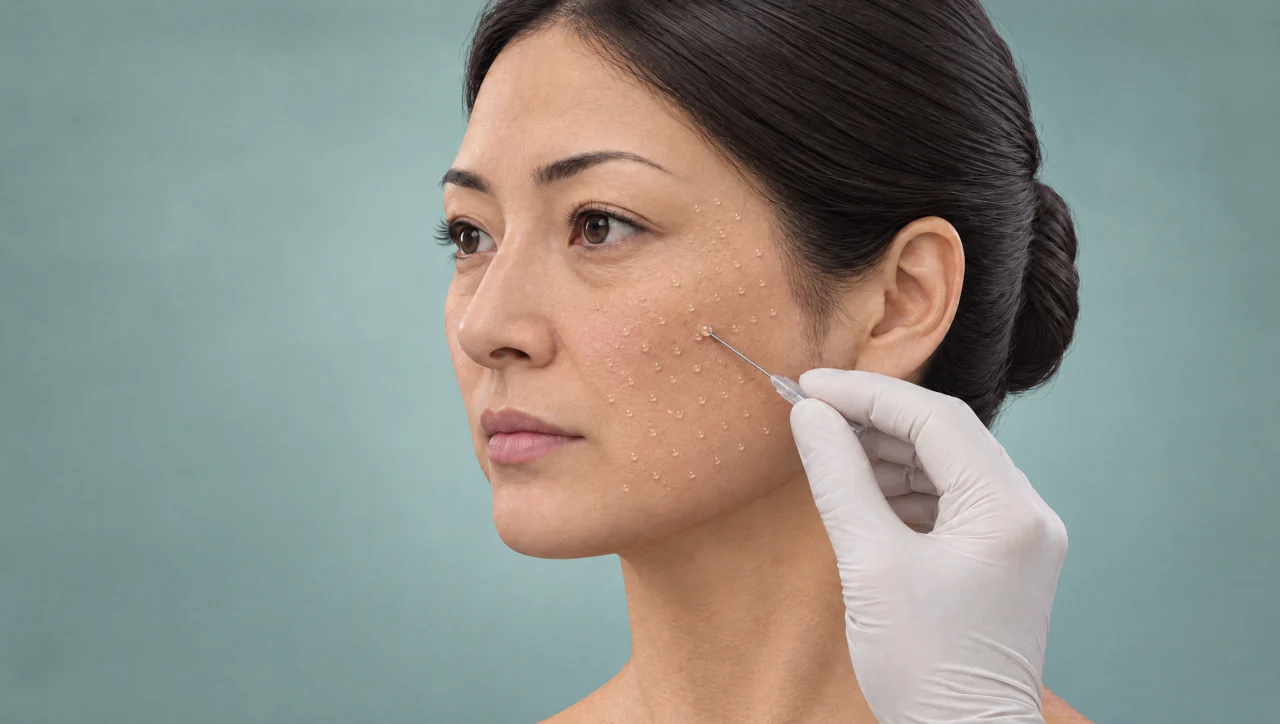
Juvelook is injected at many points, so there is a stinging feeling. Numbing cream is usually enough; for patients sensitive to pain, an injector device or sedation is an option.
Juvelook vs Sculptra and Rejuran
| Juvelook | Sculptra | Rejuran | |
|---|---|---|---|
| Ingredient | PDLLA + hyaluronic acid | PLLA | PN (salmon DNA fragments) |
| Particles | small, uniform porous spheres | larger, irregular particles | no particles |
| Main use | collagen for texture, firmness, soft volume | volume restoration | skin recovery, texture, fine lines |
Juvelook and Sculptra are both collagen stimulators, but they use different polymers and particles; PDLLA particles are smaller and more uniform. Rejuran works on skin recovery rather than collagen volume.
Read more in our Rejuran guide.
How much does Juvelook cost in Korea?
Prices differ between clinics because conditions differ. Compare on the same basis:
- How many cc are used
- Juvelook or Juvelook Volume
- Whether a sealed, genuine product is opened in front of you
- Full face or a smaller area
- Whether numbing is included
Under the same conditions, prices are usually similar, so how well the clinic plans the product, depth and amount for you matters more. Current package prices with English support are on the DR.BAQUO packages page.
FAQ
Will I see results right away?
Skin may look dewy at first from the hyaluronic acid, but the main change comes as collagen forms over weeks to months.
Does it add volume like a filler?
No. Juvelook stimulates collagen so the area fills out gradually; it does not add volume immediately like a hyaluronic acid filler.
Are results permanent?
No. Skin keeps ageing, so many people continue with maintenance based on their skin after the first course.
Sources
- Magacho-Vieira FN et al. Consensus Recommendations for the Reconstitution and Aesthetic Use of Poly-D,L-Lactic Acid Microspheres. Clin Cosmet Investig Dermatol, 2024
- Seo SB et al. Skin rejuvenation effect of the combined PDLLA and non cross-linked hyaluronic acid — A preliminary study. J Cosmet Dermatol, 2024
- Kim JS. Prospective Intraindividual Split-face Histological Comparison of Poly-d,l-lactic Acid and Calcium Hydroxylapatite Skin Boosters. Plast Reconstr Surg Glob Open, 2026
- Vachiramon V et al. Investigation of Vascular Behaviour and Tissue Response Following Intra-Arterial Injection of Poly D,L-Lactic Acid with Hyaluronic Acid. J Funct Biomater, 2026
Dr. Park HwonhamDR.BAQUOPPEUM Clinic Konkuk Univ.More in this section
This page is general information, not medical advice. Decide on any treatment after consulting a medical professional.