Treatments
Botox in Korea
Jaw Botox Price, Korean Brands & Before-After in Seoul
Written by BeautyCoordi Editorial TeamMedically reviewed by  Dr. Park HwonhamDR.BAQUO18 min read
Contents · 12
- 01Jaw botox in Korea: is your square jaw muscle, bone or fat?
- 02Is Korean botox safe? Korean botox vs American botox
- 03Planning botox in Seoul: days, flights and records
- 04Masseter botox Korea before and after: clinic cases
- 05Botox Korea price: what decides the cost
- 06How to choose a botox clinic in Seoul
- 07Botox side effects, including jaw (masseter) botox
- 08How long does botox last? When jaw and wrinkle botox kick in
- 09How often can you get botox, and is resistance real?
- 10Forehead, frown line and crow's feet botox
- 11How does botox work?
- 12FAQ
If you are planning botox in Korea, the first decision is not which brand or which clinic — it is whether your face looks wide because of the jaw muscle, the jawbone or fat. Jaw (masseter) botox shrinks a large chewing muscle over a few weeks; when the width comes mainly from the bone, the change can be small. The Korean-made toxins most clinics in Seoul use — Nabota, Botulax and Coretox — are generally considered to work about as well as Botox and Xeomin, with similar side effects, so the product matters less than the dose, the injection position and whether you can come back to the same clinic if something needs adjusting.
At a glance
- Will jaw botox work for you: a jaw that bulges firmly when you clench → good fit; a wide jawbone, fat or sagging skin → change may be small
- Is Korean botox safe: for frown lines, Korean toxins work about as well as Botox and Xeomin, with similar side effects; units cannot be converted between products
- Days to stay: daily life usually right away; wrinkle botox settles over 1–2 weeks, so treat early in the trip if you want a check before your flight
- Before and after: the masseter starts to shrink after 2–4 weeks and the change is clear around 3 months — after you are home
- Price in Seoul: jaw botox 50 units is roughly ₩30,000–100,000 with Korean toxins and ₩100,000–230,000 with imported ones; compare the product and units, not the total
- Take home: the product name, the number of units and the areas, in writing
When people say Korean botox, they usually mean botox done in Korea or those Korean-made toxins. "Botox" is really one company's brand, but in Korea the word is used for every botulinum toxin injection, Korean or imported. "Korean botox" serums, balms, creams and sticks are skincare applied to the skin, not an injection; everything here is about botulinum toxin injected into a muscle.
Jaw botox in Korea: is your square jaw muscle, bone or fat?
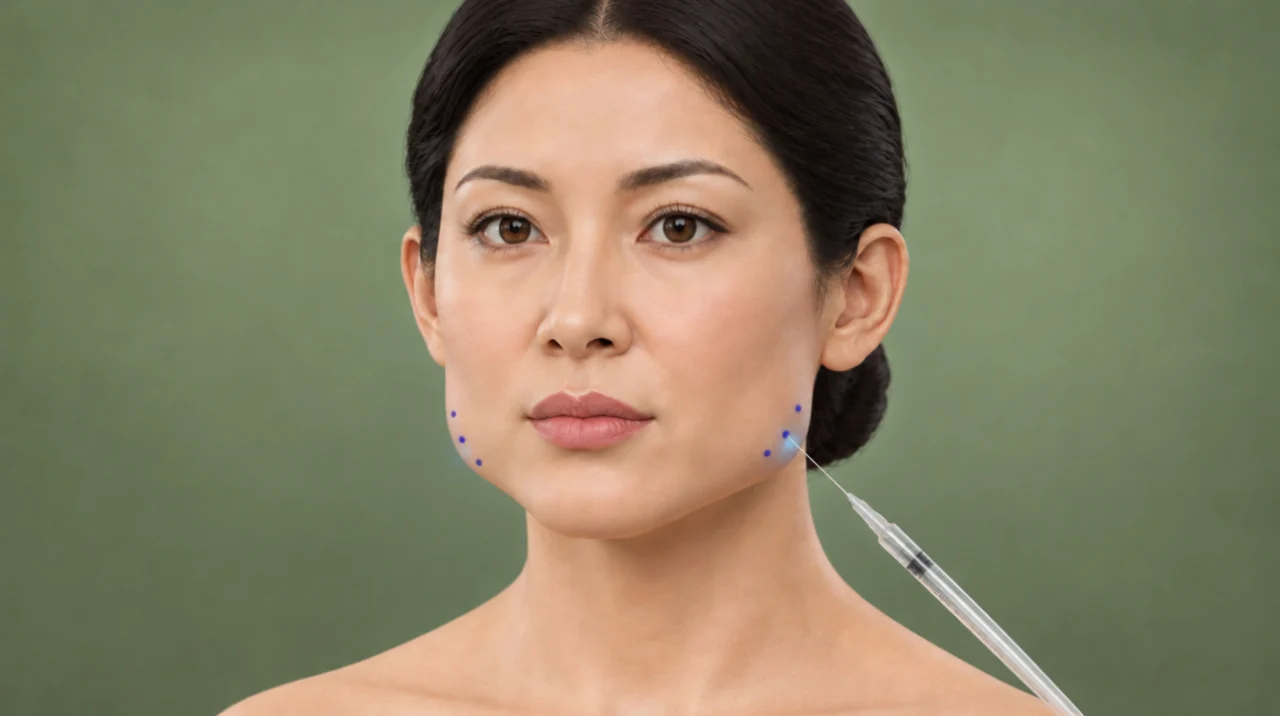
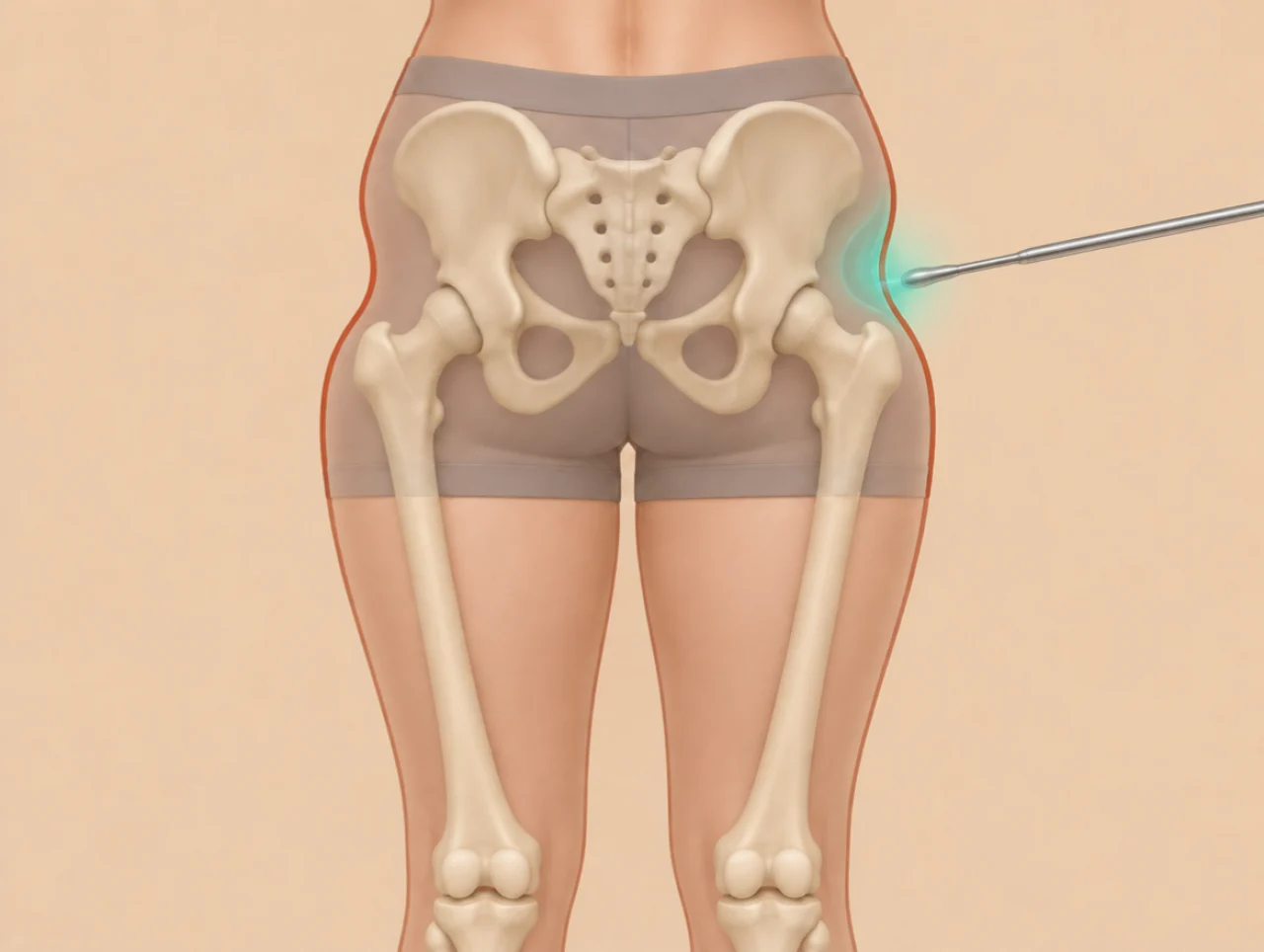
Jaw botox is injected into the masseter, the chewing muscle at the corner of the jaw below the ear. When the masseter is very developed, the lower face looks square; botox takes strength out of the muscle, which shrinks little by little over a few weeks, so the jawline looks slimmer.
| Likely to change | May change little | |
|---|---|---|
| What you notice | the area below the ear bulges firmly when you clench | the jawbone line stands out more than the muscle |
| Habits | clenching or grinding your teeth | — |
| Other causes | — | fat makes the lower face look wide; sagging skin is the main cause |
In our clinic, we explain jaw botox as weakening the jaw muscle and reducing its volume to improve the face shape — but if the face looks wide mainly because of the jawbone line rather than the muscle, you may feel there is little change even after the injections.
- With repeat sessions: with two or three sessions 12 weeks apart, the muscle tends to shrink more each time (about a quarter after two, just over 40% after three), and in one study the reduction mostly held even four years later.
- What else can change: when the masseter gets thinner, the cheekbones and jaw angle can stand out relatively more. Masseter injections can also cause discomfort when chewing or a change in expression when smiling, so the muscles around the mouth are avoided. That is why a good consultation has you clench your teeth to check the muscle's position and size, and looks at your whole face shape.
- Not the muscle at all: if your jaw does not harden when you clench but the area below your earlobe still bulges at rest, the cause may be the salivary gland. See our salivary gland botox guide.
Is Korean botox safe? Korean botox vs American botox
About five products are used most in Korea, and each has slightly different cosmetic uses approved by Korea's MFDS (as of October 2026). Approved uses can change; the latest information is on Drug Safety Nara.
Imported
Botox
Allergan · USA
Xeomin
Merz · Germany
Made in Korea
Nabota
Daewoong · Korea
Botulax
Hugel · Korea
Coretox
Medytox · Korea
Illustrations, not product photos. Tags show the cosmetic uses approved by Korea's MFDS (checked October 2026).
| Product | Company (country) | Cosmetic uses approved in Korea | Notes |
|---|---|---|---|
| Botox | Allergan (USA) | frown lines | used the longest, with the most studies |
| Xeomin | Merz (Germany) | frown lines, crow's feet, forehead lines | 150 kDa product without complexing proteins |
| Nabota | Daewoong (Korea) | frown lines, crow's feet, benign masseter hypertrophy | works and is about as safe as Botox |
| Botulax | Hugel (Korea) | frown lines, crow's feet | effect usually starts around day three |
| Coretox | Medytox (Korea) | frown lines | 150 kDa product without complexing proteins |
Korean or imported, the results on frown lines and the side effects are broadly similar. With both Nabota and Xeomin, more than 9 in 10 people had improved by week 4 — not much different from Botox. So "Korean botox vs American botox" is less a question of which works and more a question of which product the clinic uses and why.
- Units cannot be converted between products. Toxin content differs between products, so units of one cannot be converted into units of another. Comparing products by "how many units" alone does not work.
- Products without complexing proteins (those with 150 kDa in the name, such as Xeomin and Coretox) are popular with people who want to reduce resistance worries.
- Some uses are off-label. Of the products above, Nabota had approval for the jaw (benign masseter hypertrophy); other areas or products are sometimes used off-label at the doctor's judgement. Ask at the consultation which product will be used, and why.
Planning botox in Seoul: days, flights and records
Not sure whether your square jaw is muscle, bone or fat — or whether jaw botox will change it? Ask us before you book your trip.
Ask on WhatsAppBotox fits a short visit better than most treatments, but the timing is about the result window, not recovery.
- Downtime vs your flight home: most people go about their day right away. Swelling, redness or a small bruise at the injection points usually settles within a few days. Clinics commonly advise not rubbing or pressing the area hard and avoiding a sauna or heavy drinking on the day, so follow the clinic's aftercare.
- Leave room for a check: wrinkle botox settles over one to two weeks, and that is when heavy eyes or an odd brow shape would show. If your stay allows, getting botox early in the trip leaves time to go back to the same clinic for an adjustment.
- Jaw botox shows after you are home: the masseter starts to shrink from two to four weeks and the change is clear around three months, so do not judge the result before your flight.
- One session per trip: sessions are not repeated at intervals shorter than three months, so a short stay is not a reason to add more. Avoid a quick extra top-up within the first few weeks — short-interval top-ups are thought to raise the risk of resistance.
- What to take home: ask for the product, the number of units and the areas in writing. Since units cannot be converted between products, your next doctor — in Seoul or at home — needs to know exactly what you had.
- Language: for foreign patients, the consultation and aftercare are explained through an interpreter, so ask anything you are unsure about before treatment, not after you fly home.
- Where: our clinic is in Konkuk (Kondae), Seoul, directly connected to exit 1 of Konkuk University station — not in Gangnam.
- With Ultherapy or Shurink: they are often done on the same day; the device treatment usually comes first and the injections afterwards. See the Ultherapy and Shurink guide.
Masseter botox Korea before and after: clinic cases

 BeforeAfter 3 months
That comparison is a 3D illustration. Real case photos from the clinic:
Both cases combine jaw botox with another treatment, and they are individual cases. How much the jaw changes depends on how much of the width is muscle, bone or fat, so use them to see what kind of change is possible, not as a promise.
Botox Korea price: what decides the cost
Typical prices in Seoul
Cosmetic botox is not covered by Korean health insurance, so there is no official price statistic. The ranges below come from public price lists on Korean price-comparison platforms (Modoodoc, Goodoc, Gangnam Unni) and clinic price pages, checked in November 2026. Platforms list prices in different ways, so treat these as wide ranges.
| Usual price | Event price | |
|---|---|---|
| Jaw (masseter) botox, Korean-made toxin, 50 units | about ₩30,000–100,000 | from about ₩15,000 |
| Jaw botox, imported toxin (e.g. Xeomin, Botox), 50 units | about ₩100,000–230,000 | from about ₩90,000 |
| Jaw botox, 100 units (large muscles, often men) | Korean-made about ₩40,000–100,000; imported about ₩180,000–240,000 | — |
| Wrinkle botox (forehead, frown lines or crow's feet), Korean-made, 1 area | about ₩20,000–100,000 | from about ₩10,000 |
| Wrinkle botox, imported, 1 area | about ₩50,000–100,000 | — |
- What moves the price: Korean or imported toxin, a purified (complexing-protein-free) product, the number of units, how many areas, a single session or a package, and the doctor's experience. Clinics in busy areas such as Gangnam and Myeongdong run many events, so posted prices vary widely even on the same street. Across all botox listings on one platform (Modoodoc), prices ranged from about ₩21,000 to ₩396,000.
- Check VAT: some prices are listed without the 10% VAT.
- Very cheap prices: compare the product name and units first; a lower total often means fewer units or a different product.
Example: one clinic's current prices
Kondae PPEUM Clinic (Seoul, connected to exit 1 of Konkuk University station) listed these botox prices on 13 November 2026, in Korean won:
| Treatment (clinic menu name) | Price (KRW) |
|---|---|
| Jaw botox, Korean-made, 50 units | 35,000 (first-visit / event price with contouring injection 3cc: 25,000) |
| Jaw botox, Korean-made premium, 50 units | 59,000 |
| Jaw botox, imported (made in Germany), 50 units | 120,000 |
| Jaw botox, imported (made in the USA), 50 units | 150,000 |
| Wrinkle botox, Korean-made, 1 area | 29,000 (first-visit / event price for 1+1: 19,000) |
| Wrinkle botox, Korean-made premium, 1 area | 39,000 (event price for 1+1: 49,000) |
| Wrinkle botox, imported (made in Germany), 1 area | 49,000 (event price for 1+1: 79,000) |
| Wrinkle botox, imported (made in the USA), 1 area | 80,000 |
| Salivary gland botox, Korean-made | 70,000 (event price with jaw botox 50 units: 69,000) |
- The menu names products by origin; which brand is used, and whether 50 units suits your muscle, is explained in the consultation. Prices are per session and exclude anything added on the day.
- Current events: event prices change often. See the latest botox and contouring events on the clinic's English price page.
Tell us what matters to you — value, location, expertise, premium products, language or budget — and we will recommend clinics in Korea that fit: we collect your request first and match you with several options.
The same "jaw botox" is priced differently from clinic to clinic because the conditions differ. Compare these five on the same basis:
- Which product — Korean or imported, and whether it is free of complexing proteins
- How many units — though units cannot be compared directly between different products
- Which areas — frown lines only, or forehead and crow's feet too; both sides of the jaw
- A single-session price or a package
- How top-ups are handled if the effect seems weak — short-interval top-ups are thought to raise the risk of resistance, so check the timing and criteria
How to choose a botox clinic in Seoul
Instead of a ranking, use these questions — they are what matter for results and safety:
- Which product, and why? A Korean toxin, an imported one, or a 150 kDa product without complexing proteins — and whether it is approved for that area or used off-label.
- Do they assess your face first? For the jaw, a good consultation has you clench to check whether the width is muscle, bone or fat. For the forehead, it should look at how your brows and eyelids move.
- Do they start conservatively? Botox cannot be reversed once injected, so starting with a smaller dose and adjusting depth and position by area is important.
- Will they keep and share records? Product, units and areas — written down for you to take home.
- Can you come back if something needs adjusting? A retouch is easiest at a clinic that has your record, which is also why staying with one clinic helps.
Botox side effects, including jaw (masseter) botox
No treatment is side-effect free. Reported reactions with botox:
- Common: swelling, redness or a small bruise at the injection site, headache, puffiness around the eyes — mostly settle within a few days. For frown lines, treatment-related reactions are uncommon — fewer than 2 in 100 people
- Wrinkle areas: drooping eyelid (about 5 in 100 for frown lines, mostly mild), a heavy forehead or dropped brows, only the outer brows arching up (the "Mephisto sign", often called "Spock brows"), eyelid swelling
- Jaw: discomfort when chewing, a change in expression when smiling, cheekbones and jaw angle standing out relatively more
- Rare: the toxin can spread beyond the injection site and cause muscle weakness, difficulty swallowing or difficulty speaking
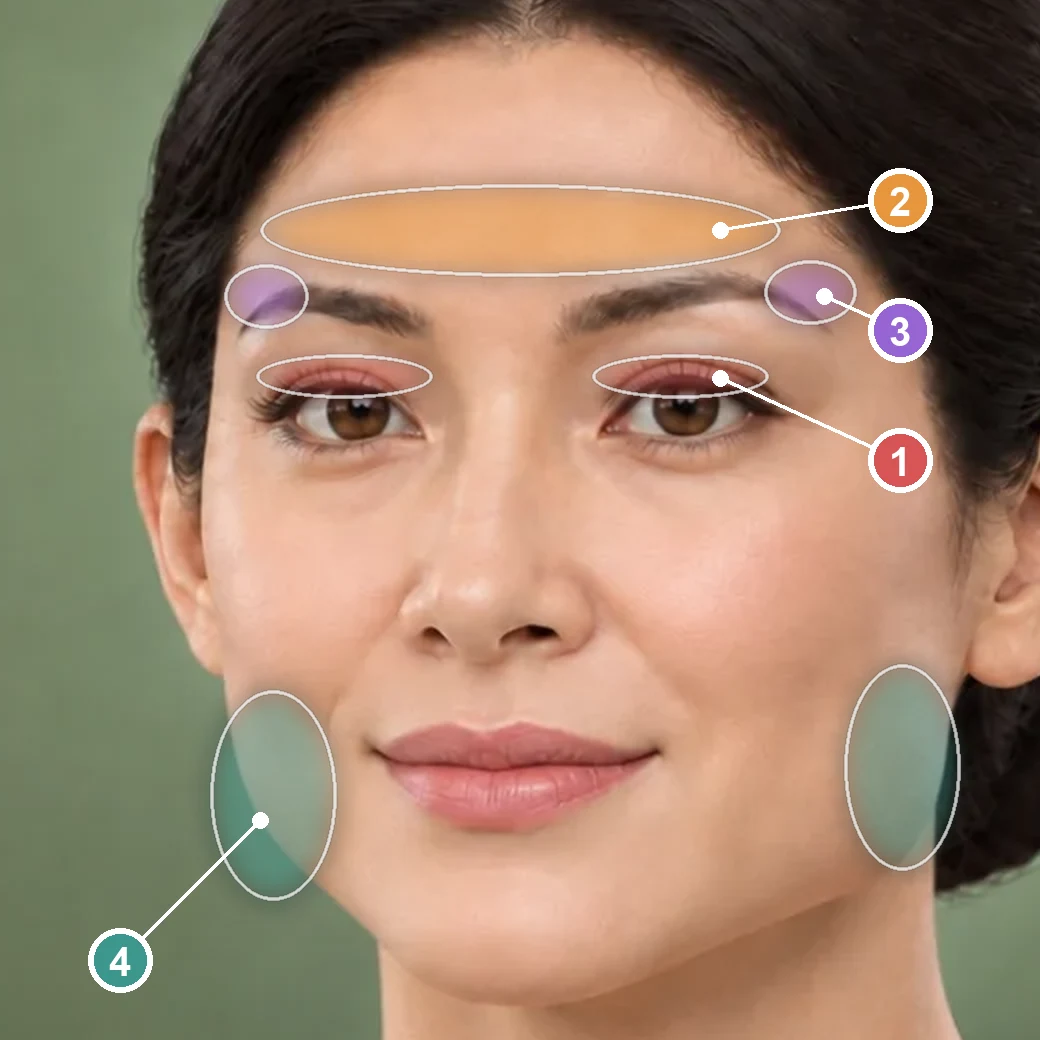
In our clinic's experience, botulinum toxin spreads well to the nerve endings inside a muscle and relaxes the whole muscle evenly — but as movement there decreases, some people feel their eyes are heavy or stuffy, or that the way their brows lift looks awkward. When that happens, go back to the clinic that treated you and make expressions so only the areas that need it are retouched. Staying with one clinic that has your record makes this kind of adjustment easier. Most of it improves as the muscle's strength returns, but because botox cannot be reversed once injected, starting with a smaller dose and adjusting depth and position by area matters. If breathing or swallowing becomes hard, or your speech becomes slurred, get medical care right away — wherever you are.
Tell the clinic first if you are pregnant or might be, are breastfeeding, have a nerve or muscle disease such as myasthenia gravis, have inflammation or an infection where the injection would go, take muscle relaxants or certain antibiotics (such as aminoglycosides), or recently had botox elsewhere — the plan or whether to treat may change.
How long does botox last? When jaw and wrinkle botox kick in
Results and recovery timeline
Same day
Normal life. Avoid rubbing, sauna and heavy drinking
2–3 days
Wrinkle effect starts to show
1–2 weeks
Wrinkle effect settles in
After 2–4 weeks
Jaw botox: the muscle shrinks and the change starts to show
| Area | Starts to show | Lasts (roughly) |
|---|---|---|
| Frown lines, forehead, crow's feet | from day two or three, settling in over one to two weeks | three to four months |
| Jaw (masseter) | muscle starts to shrink after two to four weeks, clear by about three months | often described as four to six months; can last longer with repeat sessions |
- Wrinkles: most people start to feel the effect around day three, and it settles in over one to two weeks. Frown-line results often last three to four months, and people typically come back for the next session after a little over four months. With some products the effect peaks at about a month and lasts up to four months.
- Jaw: the face shape changes only once the muscle actually shrinks, so results show later than for wrinkles. The muscle usually starts to shrink after two to four weeks, and by about three months it is close to a third thinner on average. Bite force often returns to normal by about six months, but the visible change in face shape can last longer than that.
How long it lasts varies a lot with the size and strength of the muscle, the dose, habits such as clenching, and metabolism — which also decides when your next trip, or a visit to a clinic at home, makes sense.
How often can you get botox, and is resistance real?
How often: very frequent injections are not recommended because their safety has not been confirmed, and sessions are usually at least three months apart. Usually, once you feel the effect starting to fade, you decide the timing of the next session with your doctor.
Resistance: with repeated injections, some people's bodies make neutralising antibodies against the toxin, so the effect weakens. This is what people usually mean by botox resistance.
- Neutralising antibodies are uncommon — fewer than 2 in 100 people — and most of those cases come from medical treatment using far higher doses than cosmetic use. They become slightly more common the longer you are treated, and differ between products.
- Things thought to raise the risk: intervals shorter than three months, high total doses, top-up injections within three weeks of the first, and impurities such as complexing proteins in the product.
- Some say antibodies are rarely seen with products free of complexing proteins, though the evidence is not yet sufficient.
How much resistance really matters at the small doses used for cosmetic botox is still debated among doctors, and most people who get botox regularly keep feeling the effect. A weaker effect does not mean resistance in every case — the dose, the interval, how the product was stored and injected, or changes in the muscle can all play a part, so it is worth reviewing your records with the clinic that treated you.
Forehead, frown line and crow's feet botox
Wrinkle botox works on lines that crease when you make an expression (dynamic lines).
| Area | Muscle that makes the line | Watch out for |
|---|---|---|
| Frown lines (the "11" between the brows) | corrugator and procerus | if it spreads near the muscle that lifts the eyelid, the eyelid can droop |
| Forehead (horizontal lines) | frontalis | the frontalis lifts the brows, so too much relaxation can drop the brows and make the eyes look heavy |
| Crow's feet (lines at the eye corners when smiling) | orbicularis oculi | injecting too low can make the smile look unnatural |
Wrinkle botox is less about "ironing out" wrinkles and more about reducing muscle movement so the skin stops folding the same way and the lines do not get deeper. Lines that are deeply etched even at rest may not smooth out right away when the muscle relaxes — lines at rest often improve less than lines when frowning. For lines that have already formed, other treatments are worth combining with it.
How does botox work?
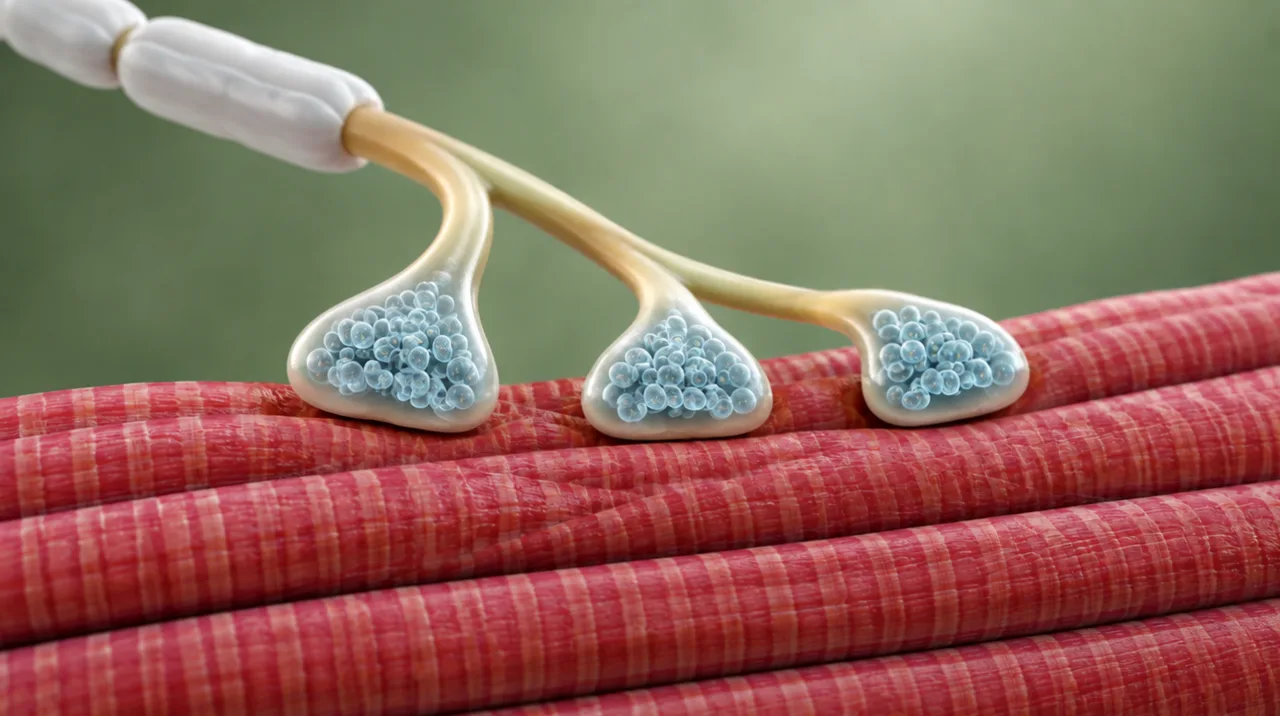
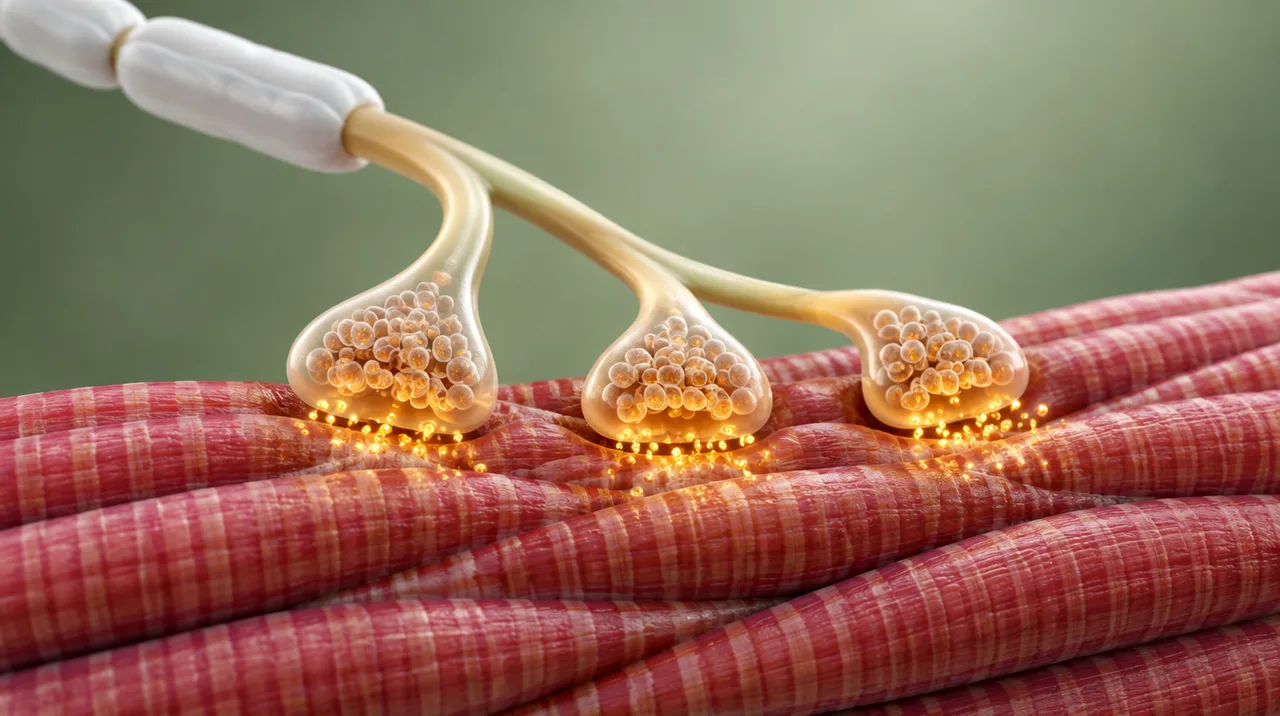
- Blocking the signal: a muscle moves only when it receives a signalling substance (acetylcholine) released from the nerve ending. Botulinum toxin stops this signal from being released.
- Relaxing the muscle: without the signal, the muscle loses strength. It usually starts working one to two days after the injection and grows stronger over the first week.
- Gradual recovery: over time the nerve forms new connections and the muscle's strength returns. That is why botox is not permanent and wears off after a few months.
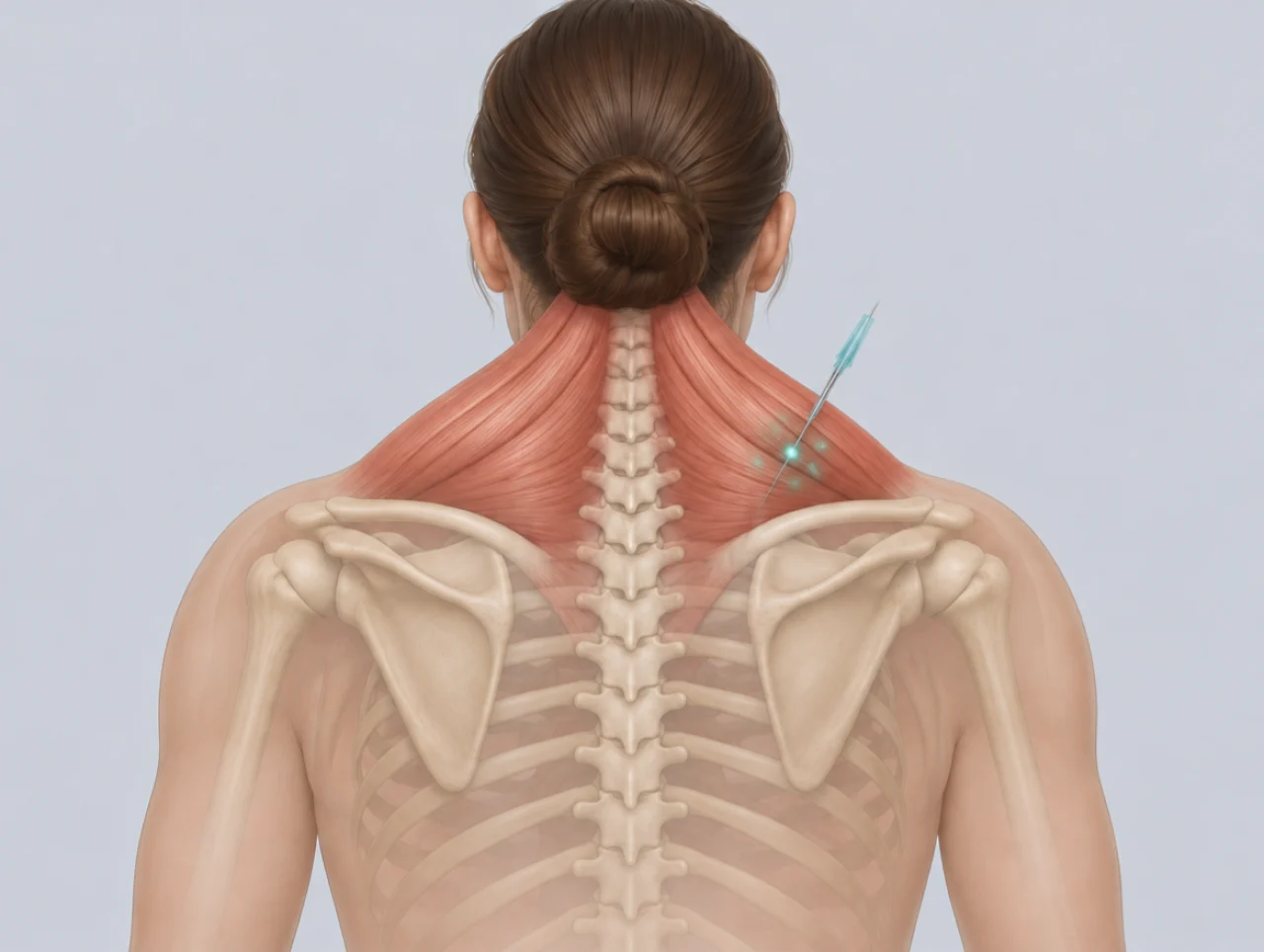
Wrinkle botox relaxes the expression muscles that crease the skin, so the lines fold less. Jaw botox uses the fact that a jaw muscle you use less slowly gets smaller.
 BeforeAfter botox
When the same toxin is injected thinly into the shallow layer of the skin (the dermis) instead of the muscle, it is called skin botox. It does not relax muscles; it targets oil, pores, fine lines and texture, so the purpose is different. Skin botox is covered in the skin booster guide.
FAQ
Is botox in Korea safe?
Korean products such as Nabota and Botulax are generally considered about as effective as Botox and Xeomin for frown lines, with similar side effects. Side effects depend more on the dose, the injection position and your own muscles than on the country of manufacture, so ask which product will be used and why, and plan your trip so you can go back to the same clinic if anything needs adjusting.
How much is jaw botox in Korea?
In Seoul, 50 units of jaw botox is roughly ₩30,000–100,000 with a Korean-made toxin and ₩100,000–230,000 with an imported one (platform and clinic price lists, November 2026), and event prices go lower. Compare the product, the units and the areas before comparing totals. Kondae PPEUM Clinic, for example, lists 50 units with a Korean-made toxin at ₩35,000.
How many days should I stay in Korea after botox?
Most people go about their day right away. If you want the clinic to check the result or adjust it, stay — or come back — around one to two weeks after wrinkle botox. Jaw botox changes over two to four weeks and is clear at about three months, so that result shows after you are home.
Is there an English-speaking botox clinic in Seoul?
At our clinic, consultations and aftercare for foreign patients are explained through an interpreter. The clinic is in Konkuk, directly connected to exit 1 of Konkuk University station.
Are Korean botox serums, balms and creams the same as botox?
No. Products sold as a "Korean botox" serum, balm, cream or stick are skincare applied to the surface of the skin. Botox is botulinum toxin injected into a muscle, and the timelines and results described here refer only to the injection.
How long does jaw botox last?
The masseter usually starts to shrink after two to four weeks and the change is clear around three months. It is often described as lasting about four to six months, with big differences between people. With two or three sessions 12 weeks apart, the muscle tends to shrink more each time, and the reduction can hold for years.
Does jaw botox help with teeth grinding?
Here we mean jaw botox for face shape. People who clench or grind their teeth often have a firm, well-developed masseter, which is why they tend to be good candidates for jaw slimming. Bite force usually drops for a few months and returns to normal by around six months. Whether botox is right for jaw pain or TMJ is a separate medical question to discuss with a doctor.
Can masseter botox cause sagging, or make my face worse if I stop?
As the masseter gets thinner, the cheekbones and jaw angle can stand out relatively more — and if sagging skin is the main reason the lower face looks wide, jaw botox may change little. When you stop, the muscle's strength returns and you gradually go back to how you were before. Botox does not leave you worse than before, but the natural changes of ageing continue in the meantime.
Sources
- Korea Ministry of Food and Drug Safety (MFDS), Drug Safety Nara. Botox Inj. (Clostridium botulinum toxin type A) approval information — indications, dosage, precautions
- Korea Ministry of Food and Drug Safety (MFDS), Drug Safety Nara. Xeomin Inj. (Clostridium botulinum toxin type A, 150 kDa) approval information
- Korea Ministry of Food and Drug Safety (MFDS), Drug Safety Nara. Nabota Inj. (Clostridium botulinum toxin type A) approval information
- Korea Ministry of Food and Drug Safety (MFDS), Drug Safety Nara. Botulax Inj. (Clostridium botulinum toxin type A) approval information
- Korea Ministry of Food and Drug Safety (MFDS), Drug Safety Nara. Coretox Inj. (Clostridium botulinum toxin type A, 150 kDa) approval information
Show 9 more sources
- Carruthers JA et al. A multicenter, double-blind, randomized, placebo-controlled study of the efficacy and safety of botulinum toxin type A in the treatment of glabellar lines. J Am Acad Dermatol, 2002
- Mueller DS et al. Efficacy and Safety of Letibotulinumtoxin A in the Treatment of Glabellar Lines — A Randomized, Double-Blind, Multicenter, Placebo-Controlled Phase 3 Study. Aesthet Surg J, 2022
- Won CH et al. Comparative trial of a novel botulinum neurotoxin type A versus onabotulinumtoxinA in the treatment of glabellar lines — a multicenter, randomized, double-blind, active-controlled study. Int J Dermatol, 2015
- Sattler G et al. Noninferiority of incobotulinumtoxinA, free from complexing proteins, compared with another botulinum toxin type A in the treatment of glabellar frown lines. Dermatol Surg, 2010
- Kim NH et al. The use of botulinum toxin type A in aesthetic mandibular contouring. Plast Reconstr Surg, 2005
- Ågren M et al. Duration of bite force reduction following a single injection of botulinum toxin in the masseter muscle bilaterally — A one-year non-randomized trial. J Oral Rehabil, 2023
- Shome D et al. Efficacy of Botulinum Toxin in Treating Asian Indian Patients with Masseter Hypertrophy — A 4-Year Follow-Up Study. Plast Reconstr Surg, 2019
- Rahman E et al. Immunogenicity to Botulinum Toxin Type A — A Systematic Review With Meta-Analysis Across Therapeutic Indications. Aesthet Surg J, 2022
- Kroumpouzos G, Silikovich F. Exploring Nonresponse to Botulinum Toxin in Aesthetics — Narrative Review of Key Trigger Factors and Effective Management Strategies. JMIR Dermatol, 2025
Dr. Park HwonhamDR.BAQUOPPEUM Clinic Konkuk Univ.Contents · 12
- 01Jaw botox in Korea: is your square jaw muscle, bone or fat?
- 02Is Korean botox safe? Korean botox vs American botox
- 03Planning botox in Seoul: days, flights and records
- 04Masseter botox Korea before and after: clinic cases
- 05Botox Korea price: what decides the cost
- 06How to choose a botox clinic in Seoul
- 07Botox side effects, including jaw (masseter) botox
- 08How long does botox last? When jaw and wrinkle botox kick in
- 09How often can you get botox, and is resistance real?
- 10Forehead, frown line and crow's feet botox
- 11How does botox work?
- 12FAQ
More in this section
This page is general information, not medical advice. Decide on any treatment after consulting a medical professional.